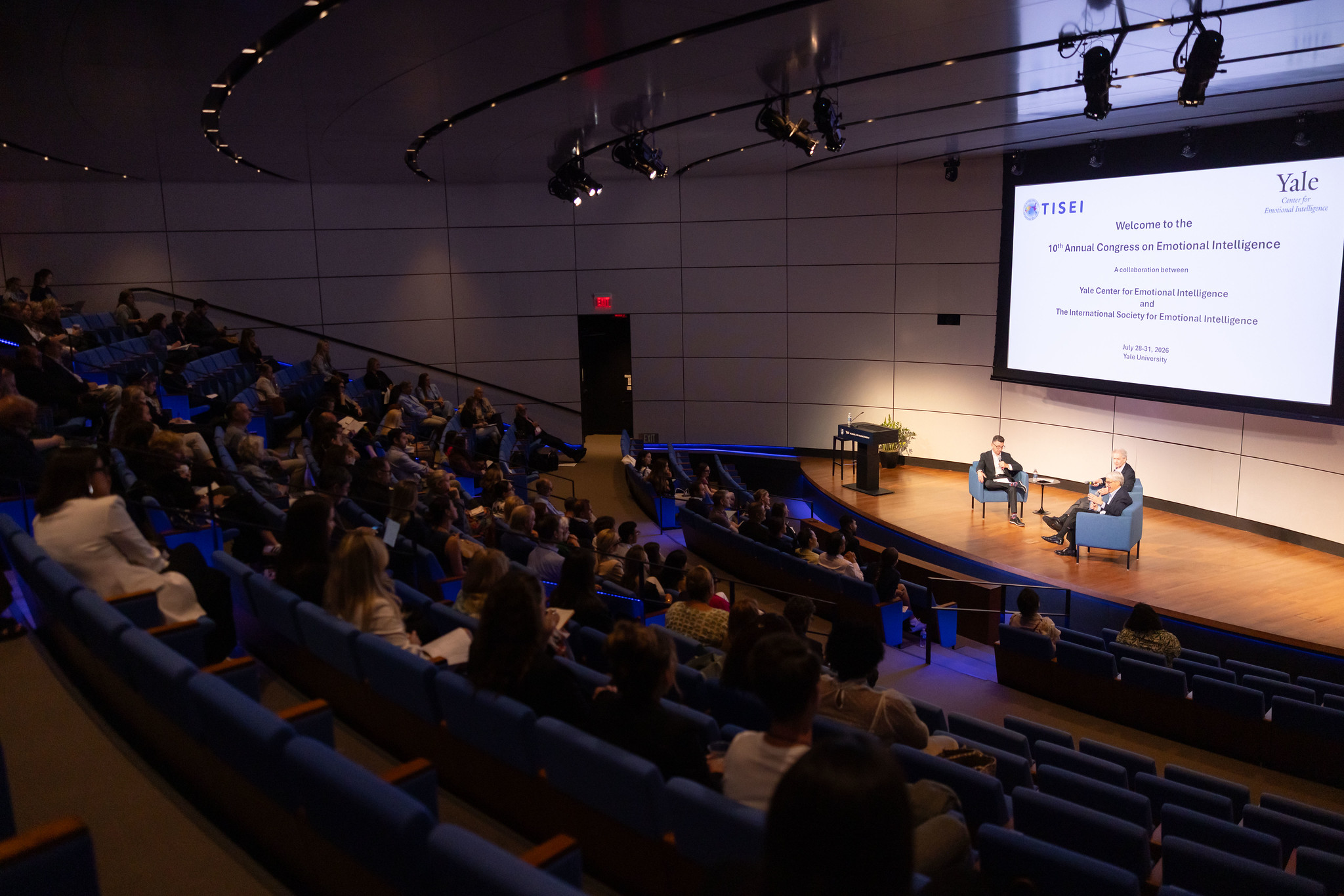
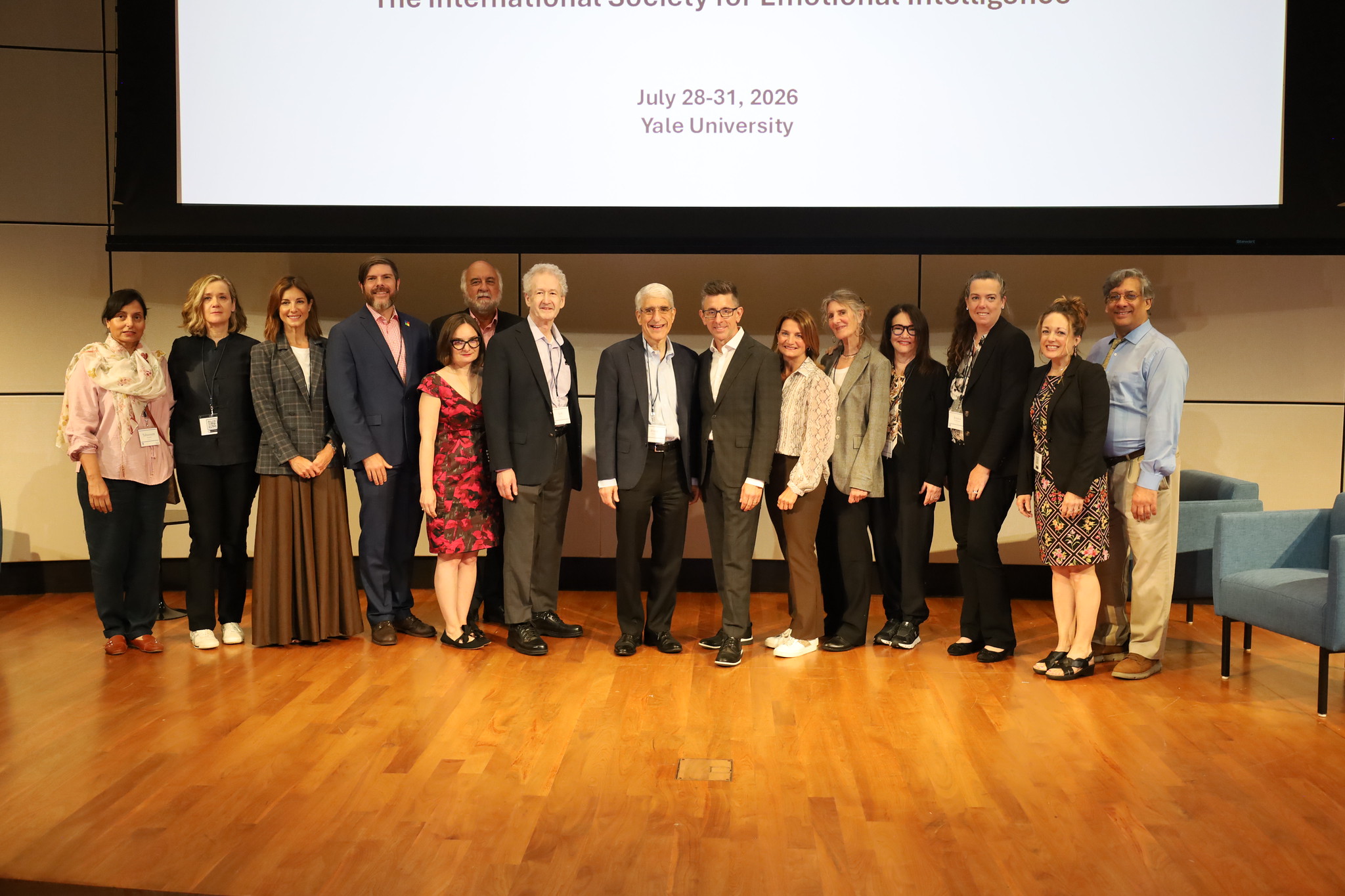
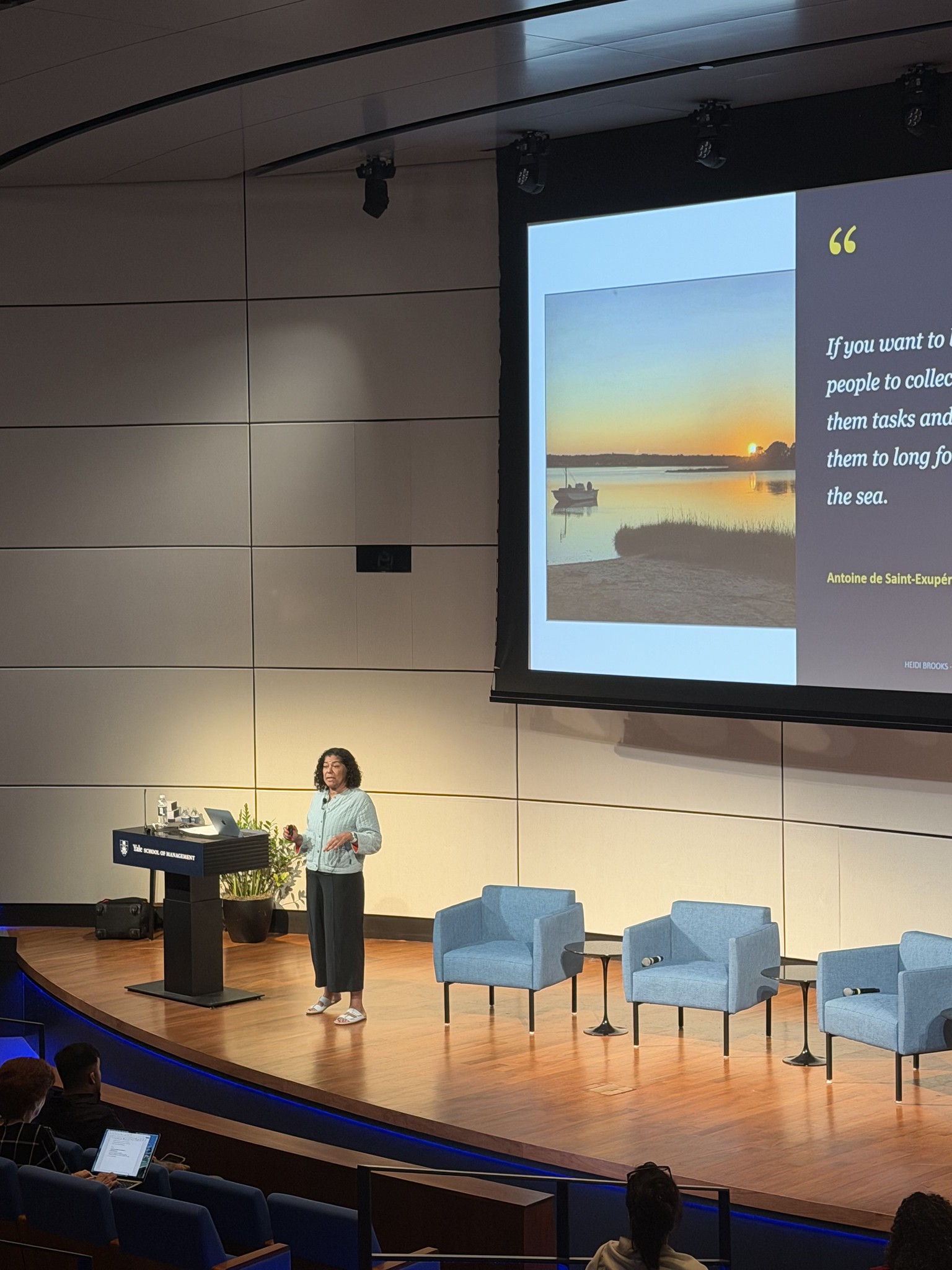
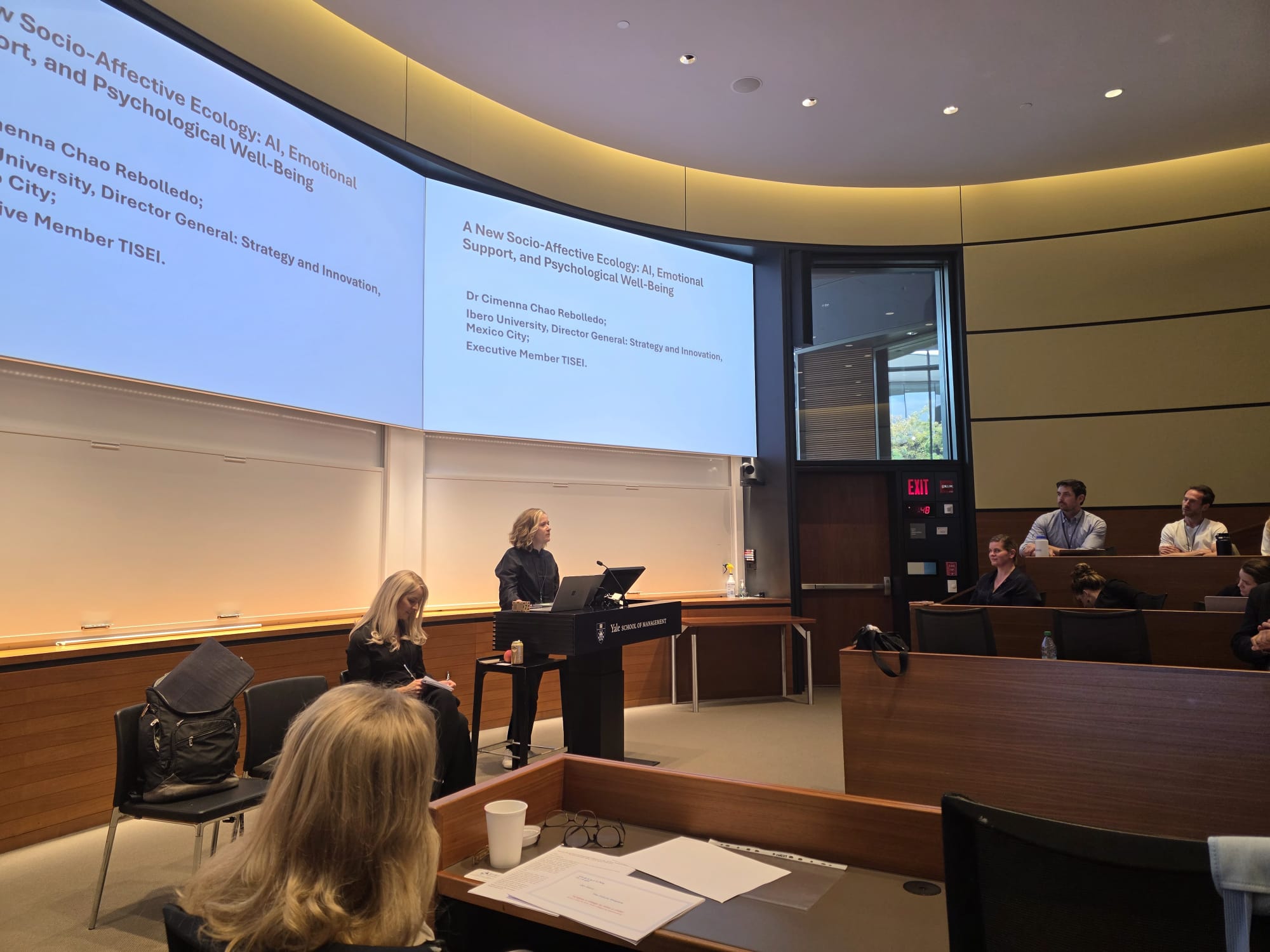
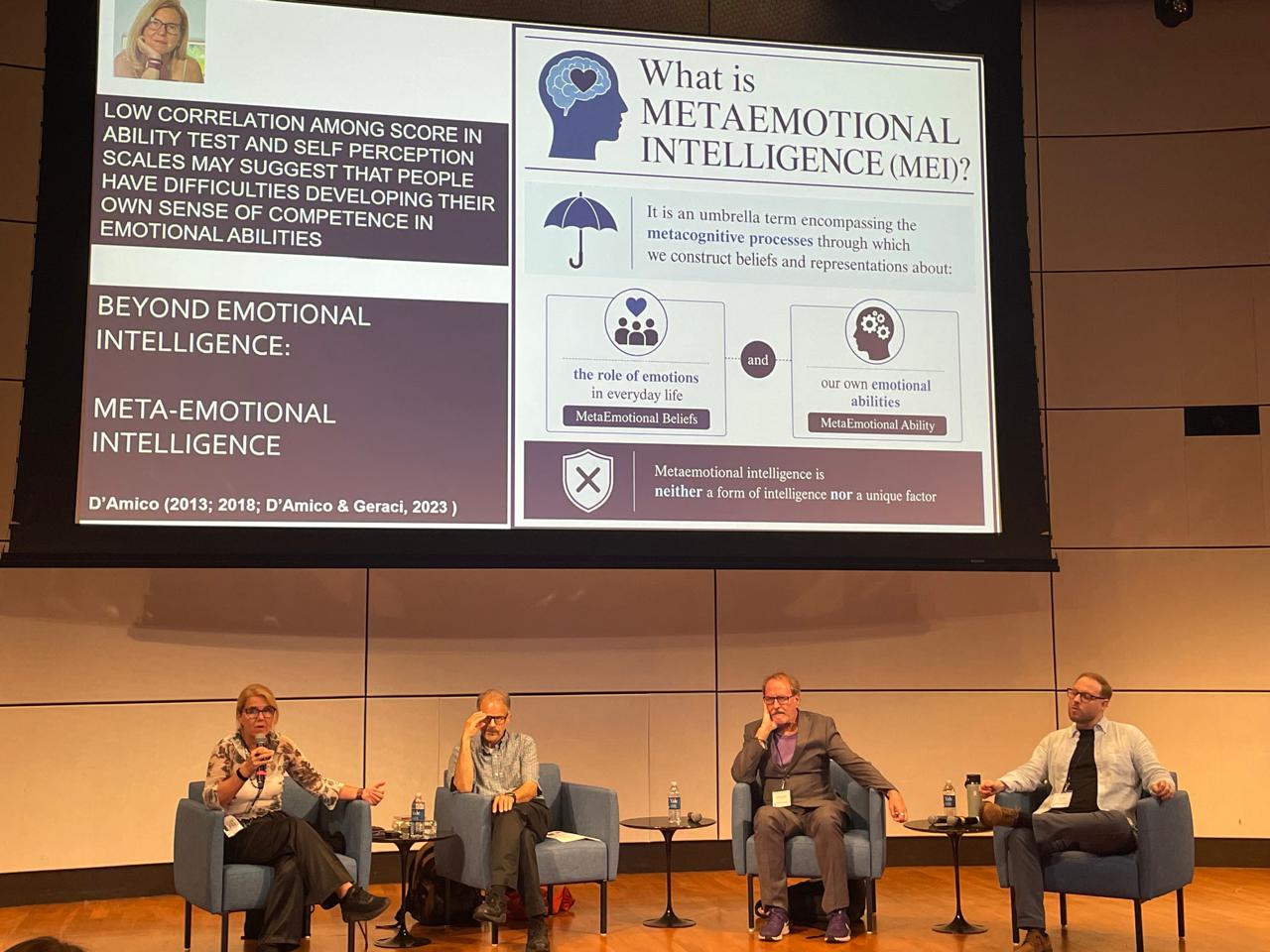

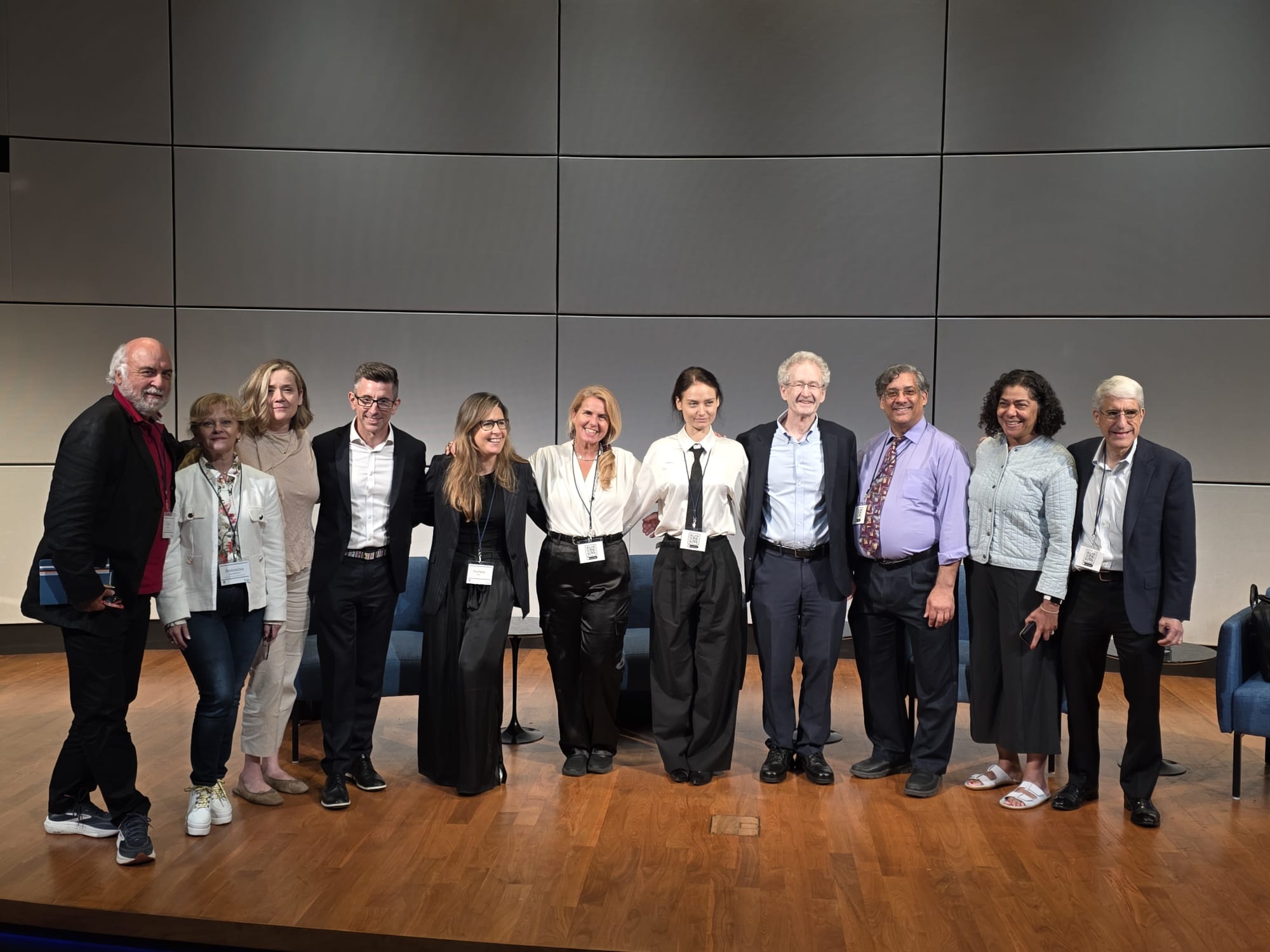
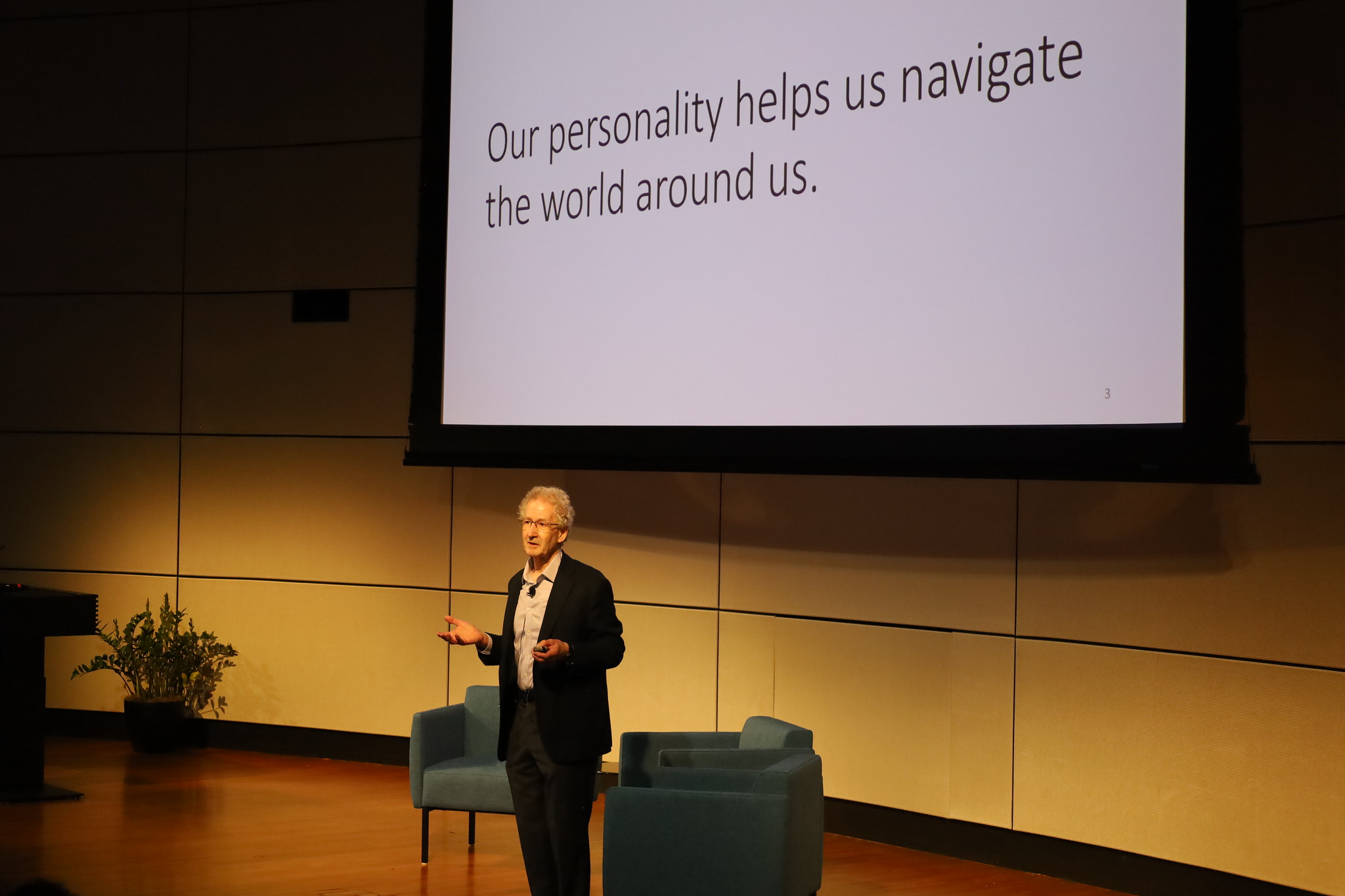
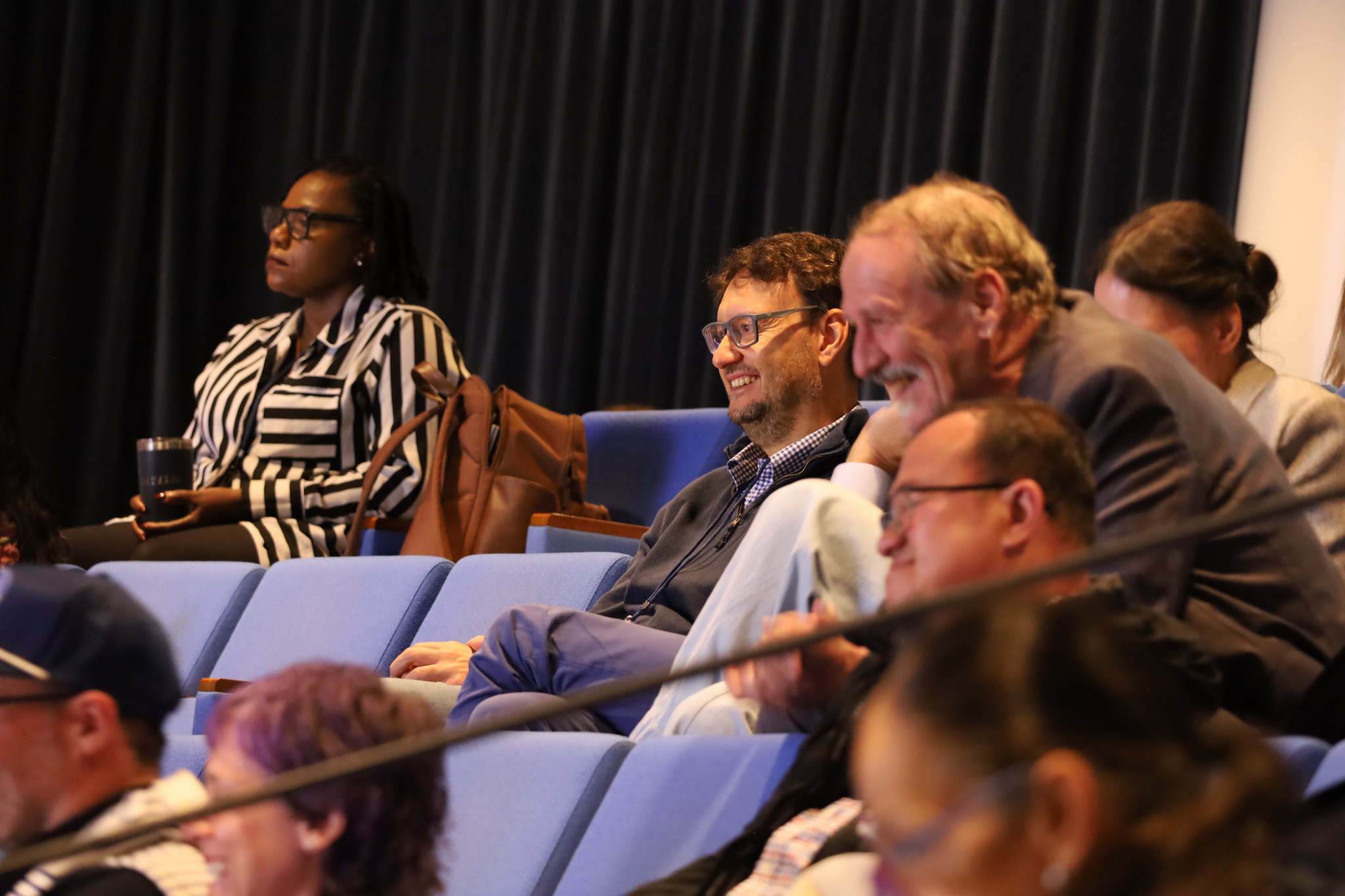
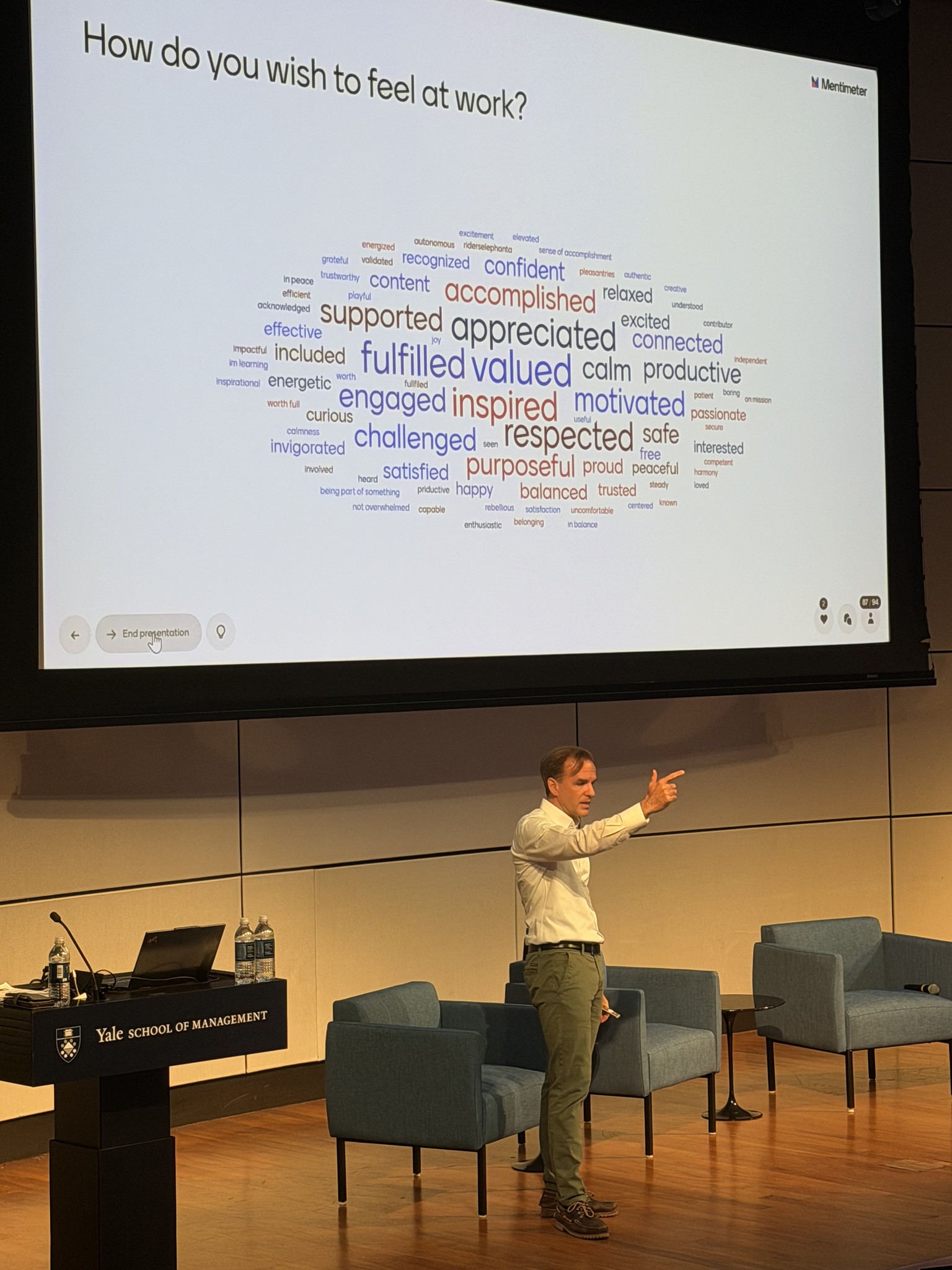
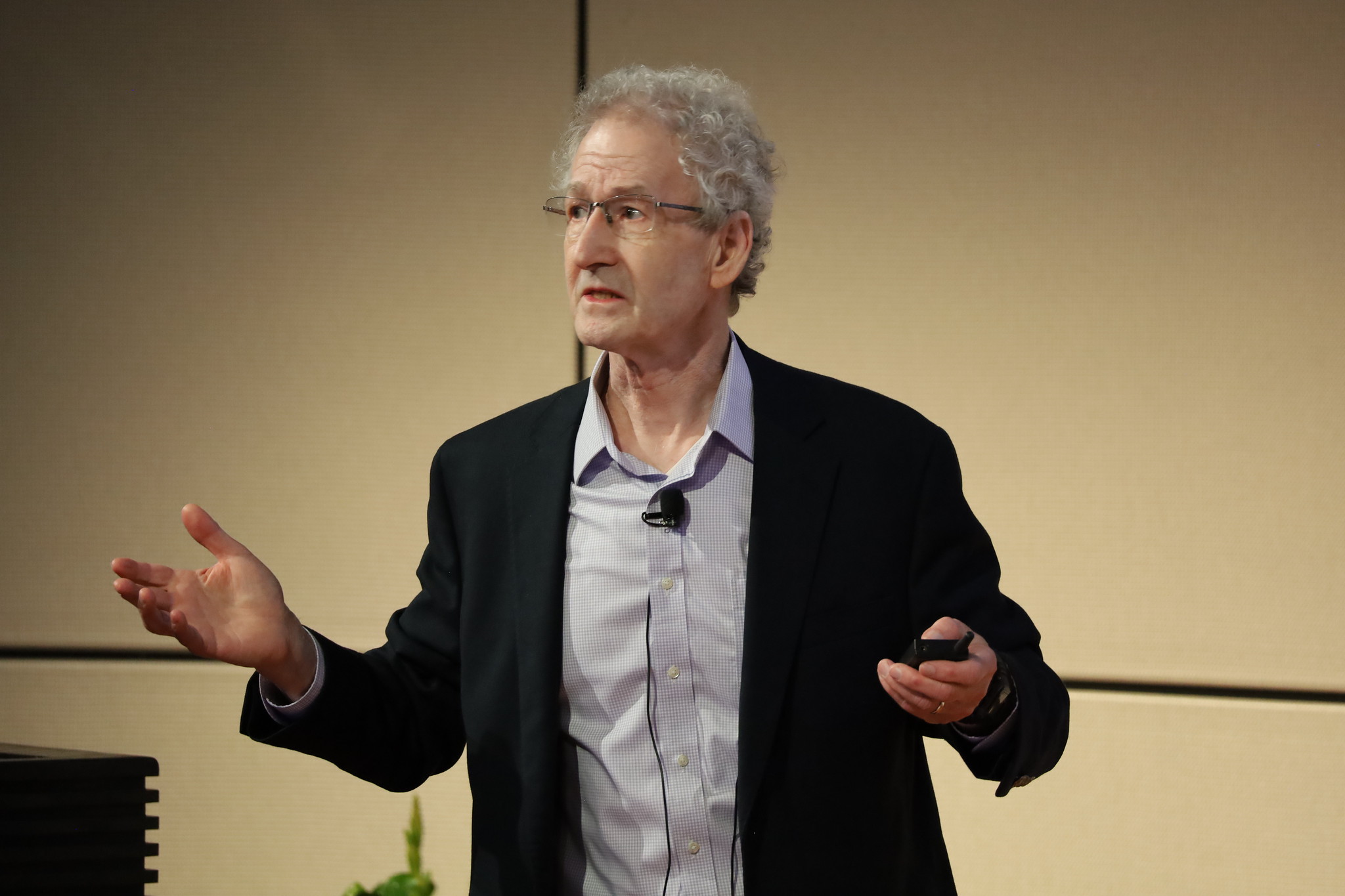
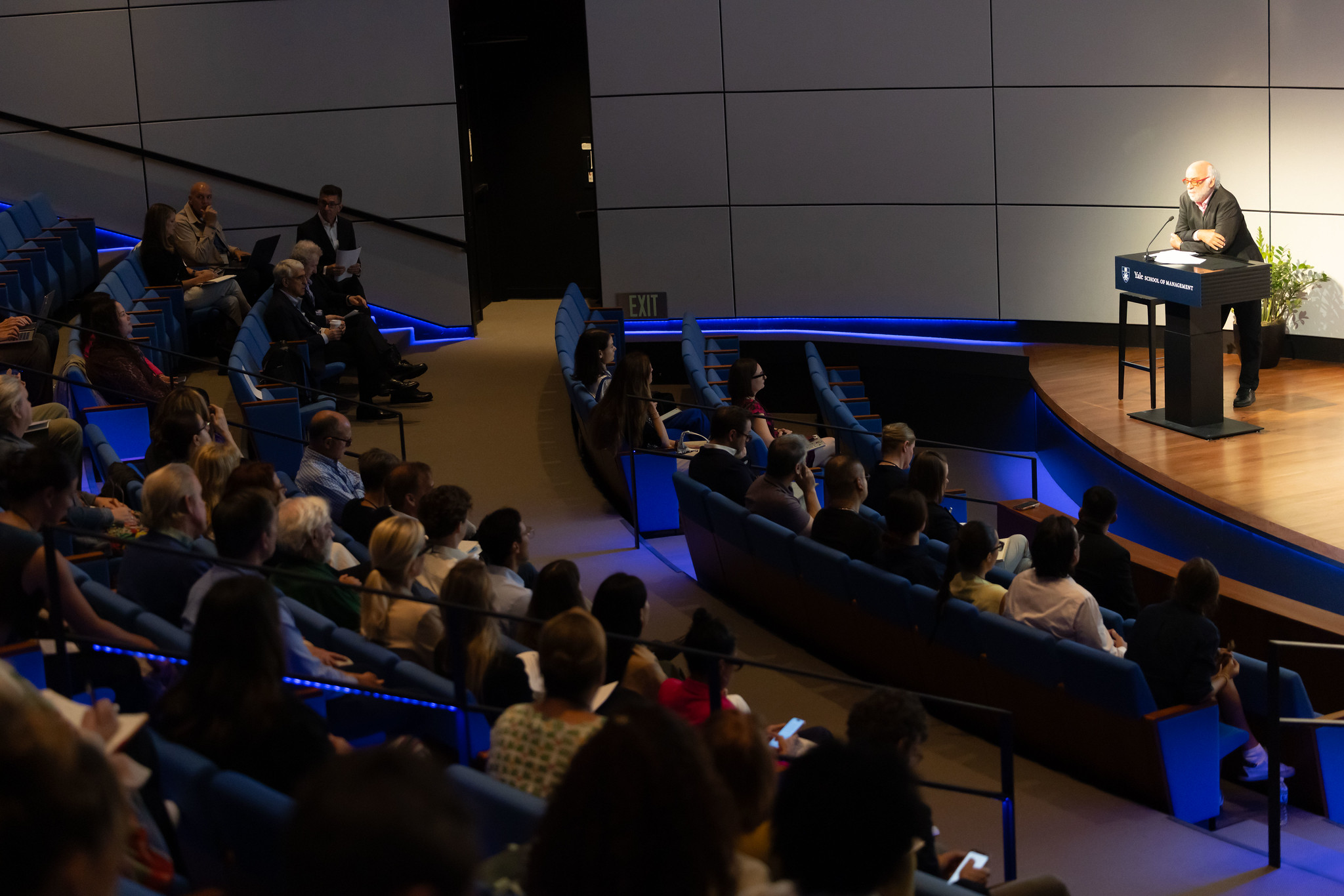


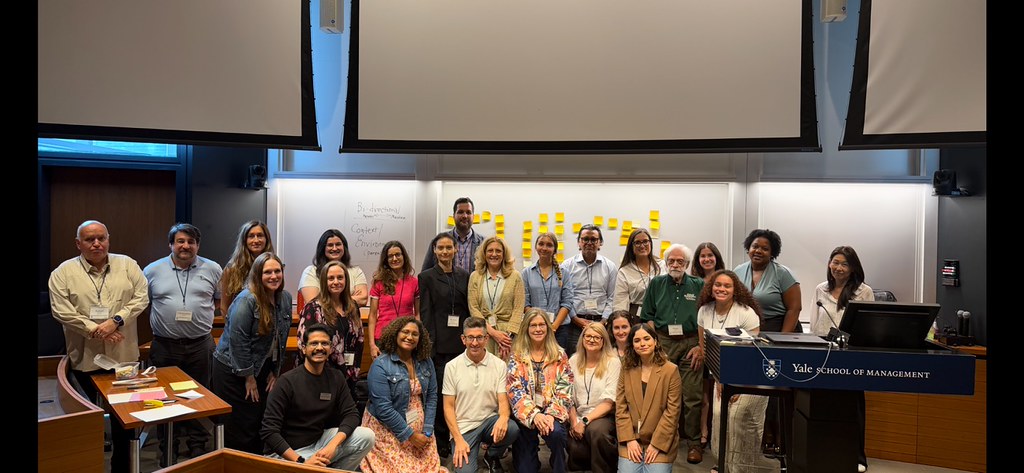




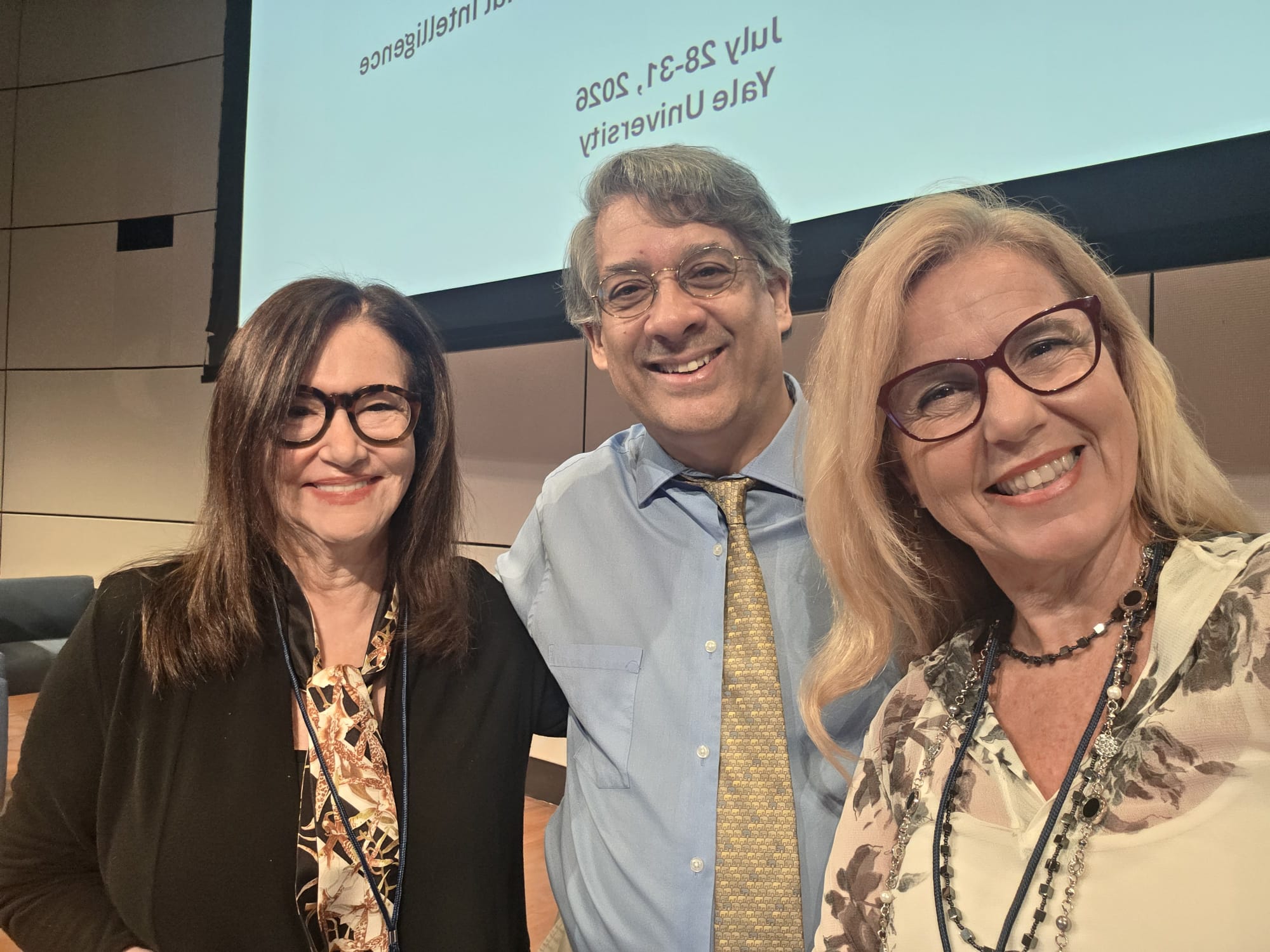
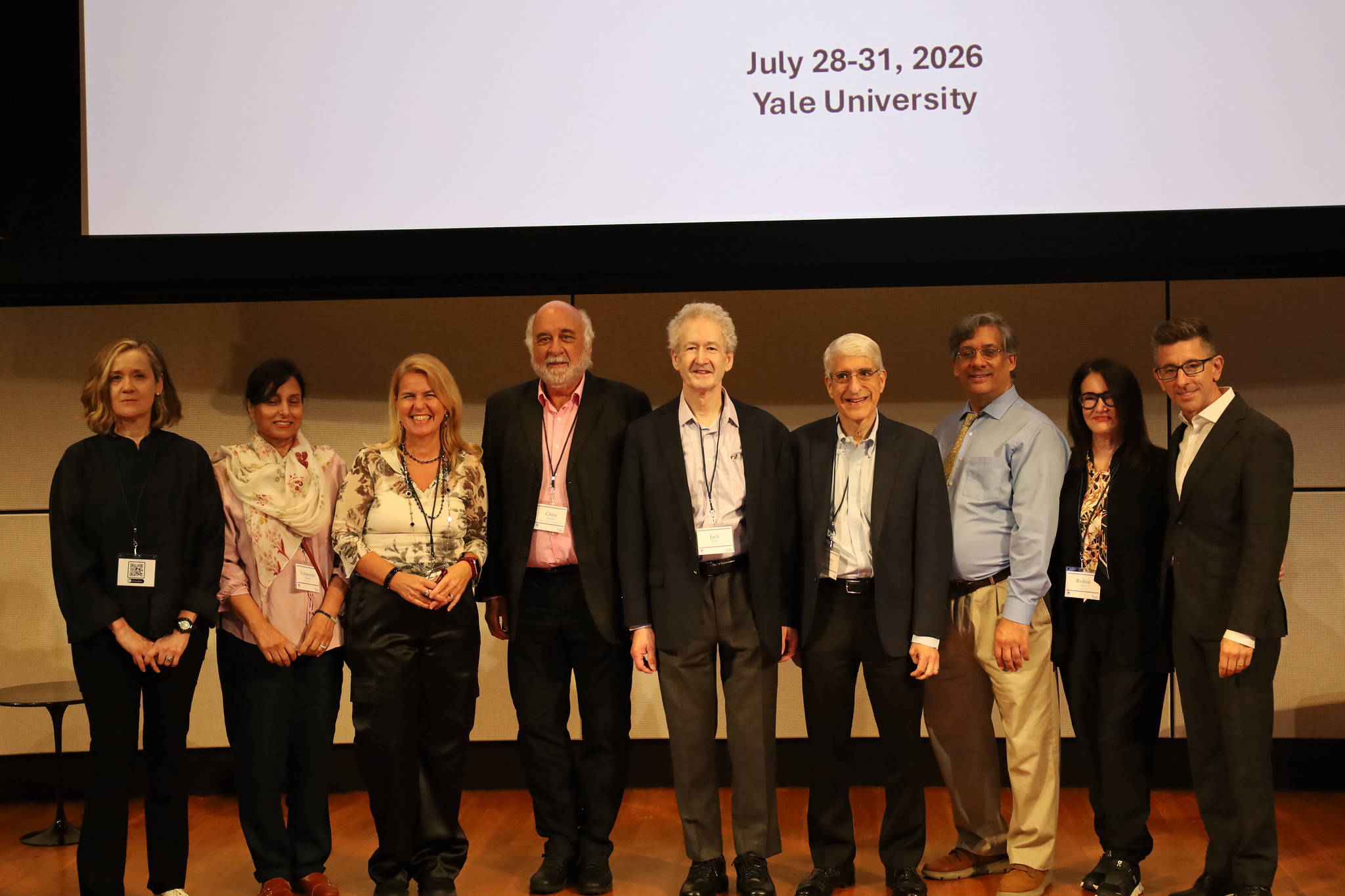

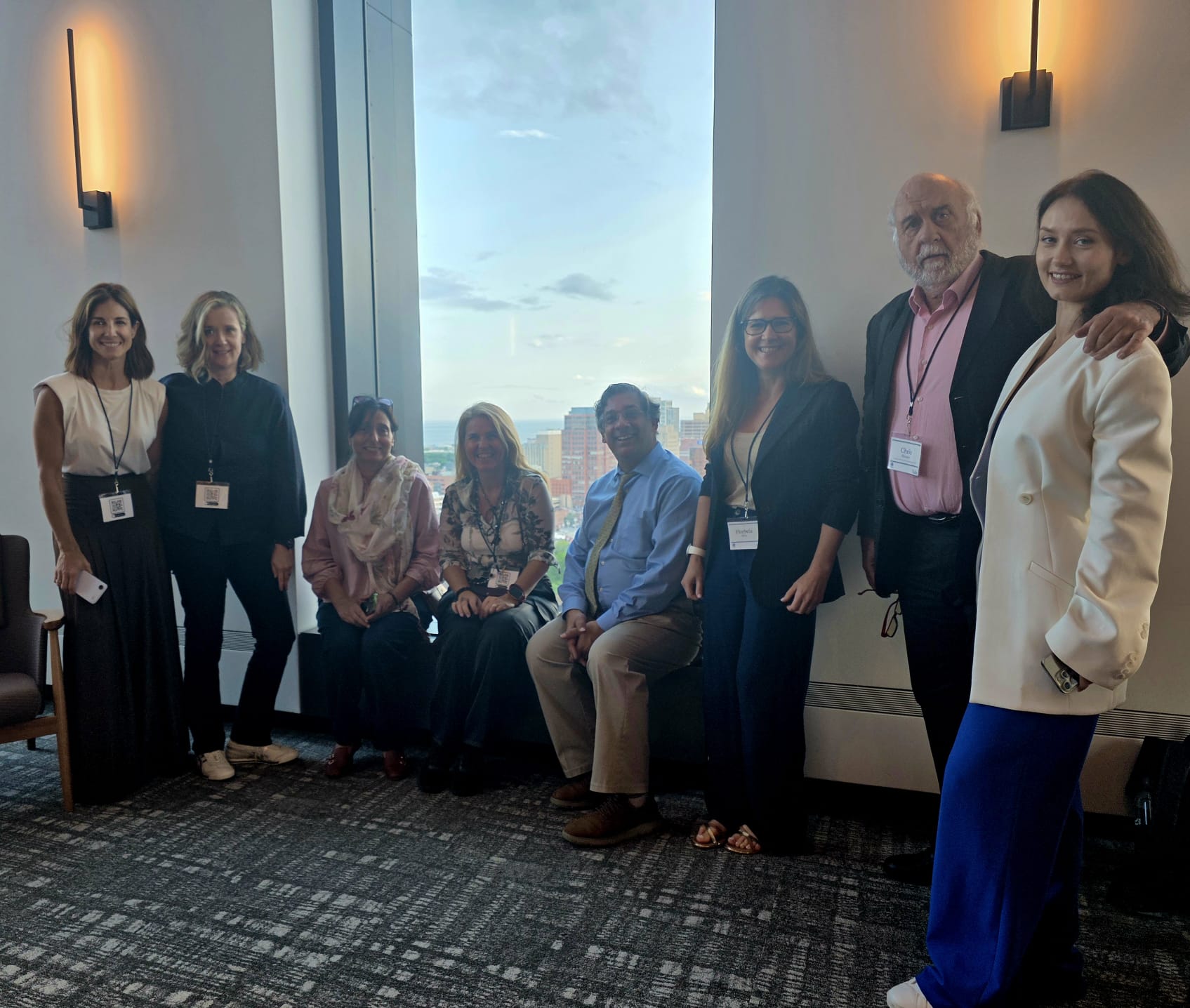
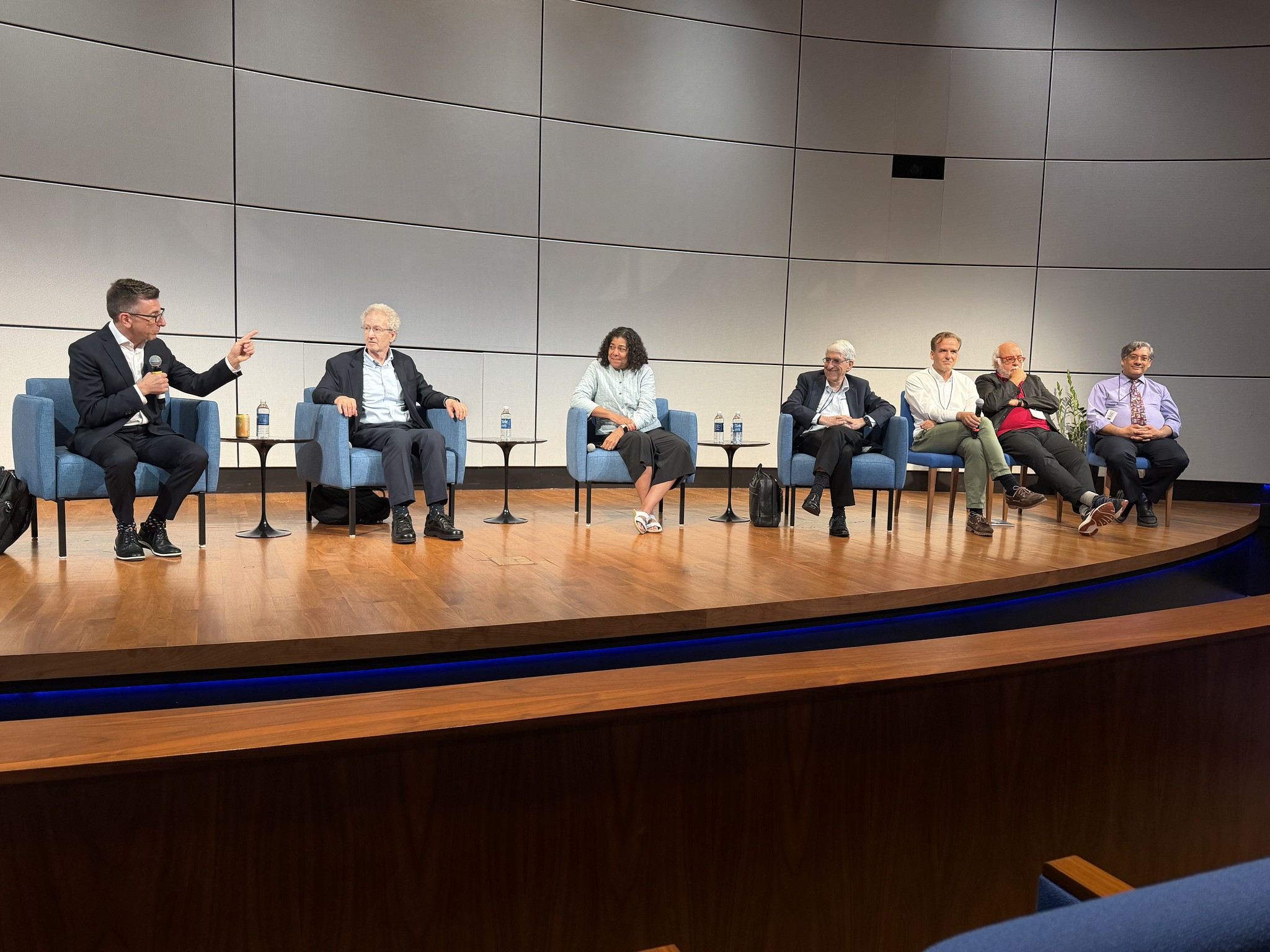
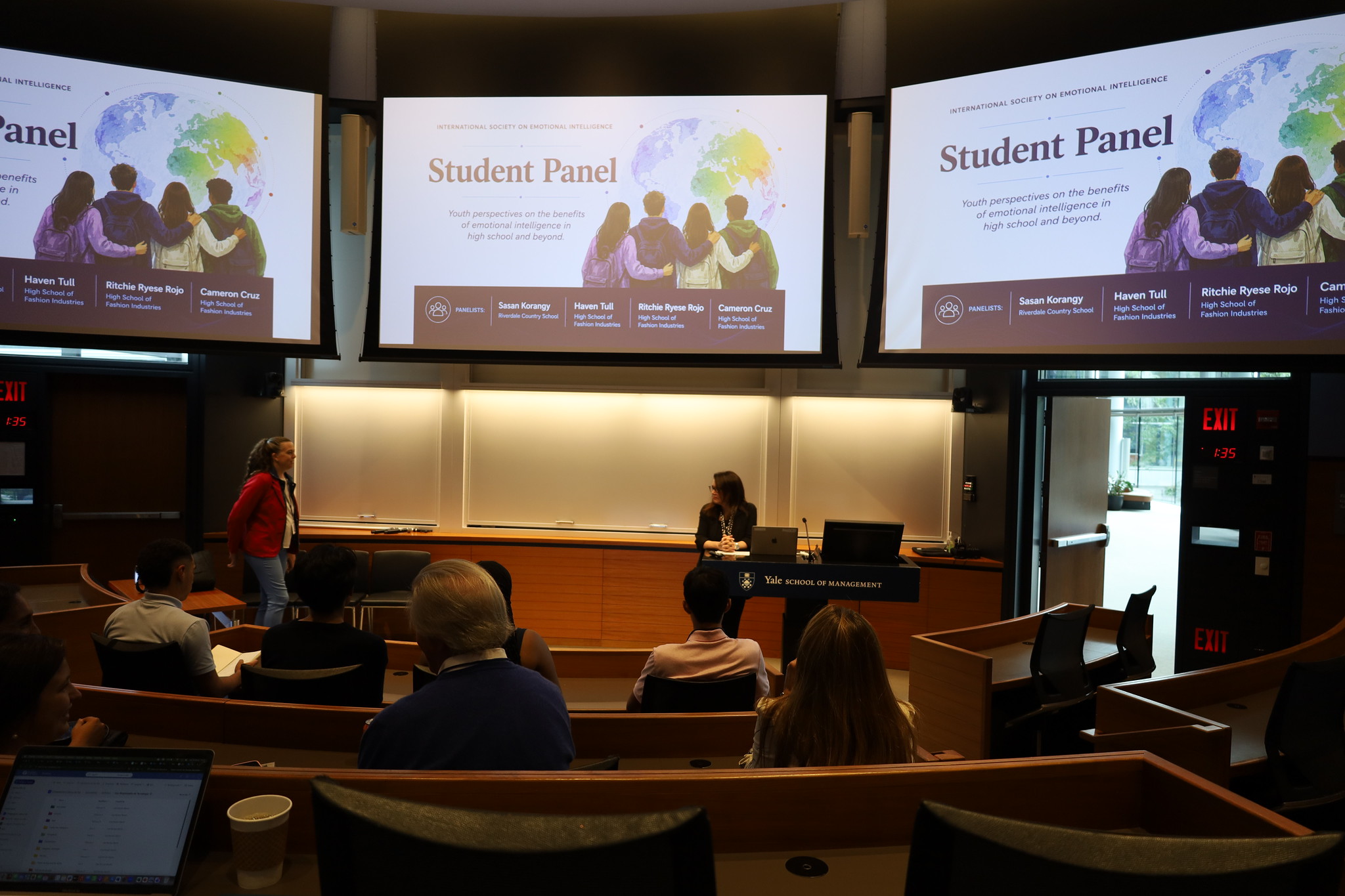
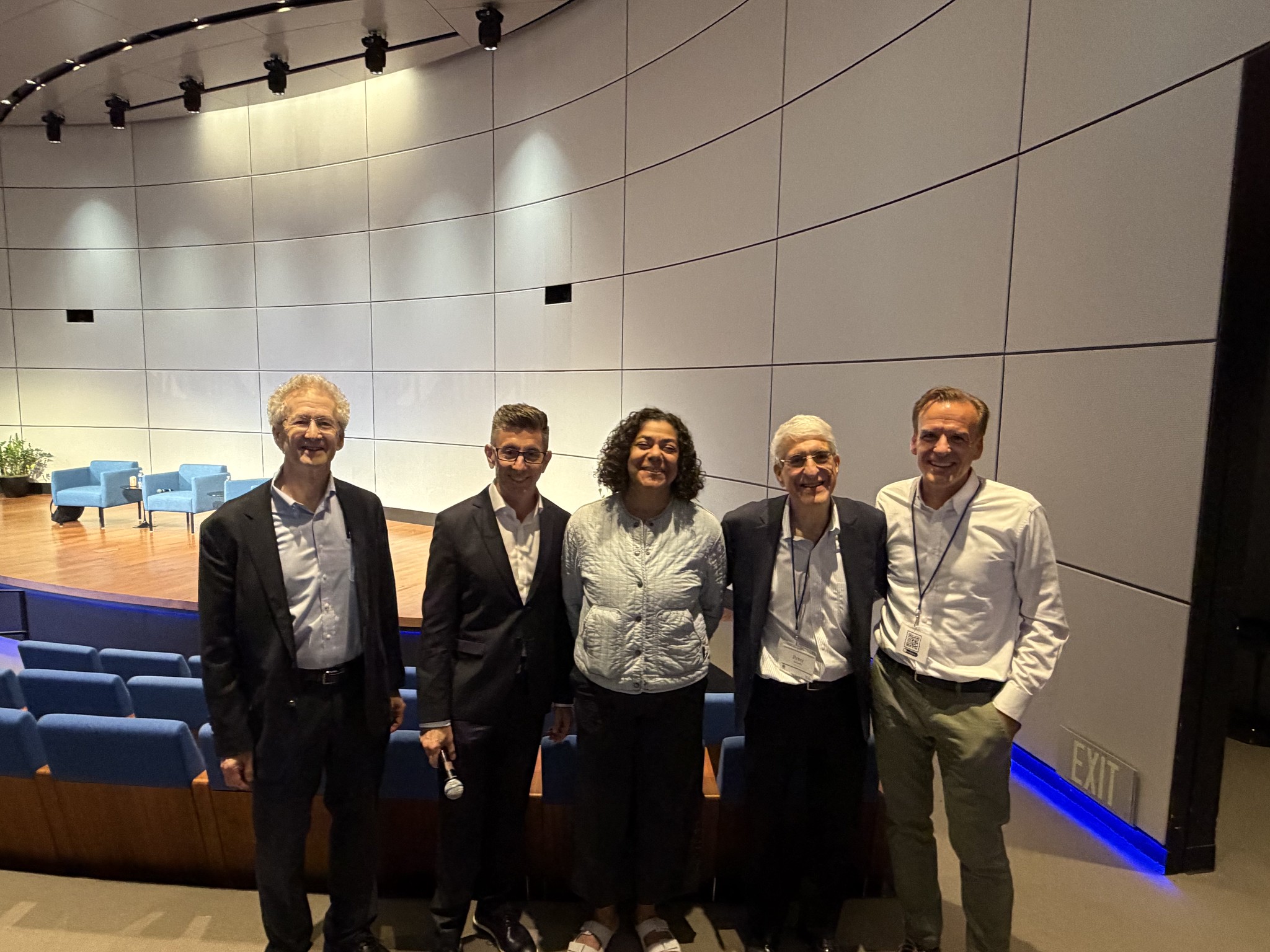
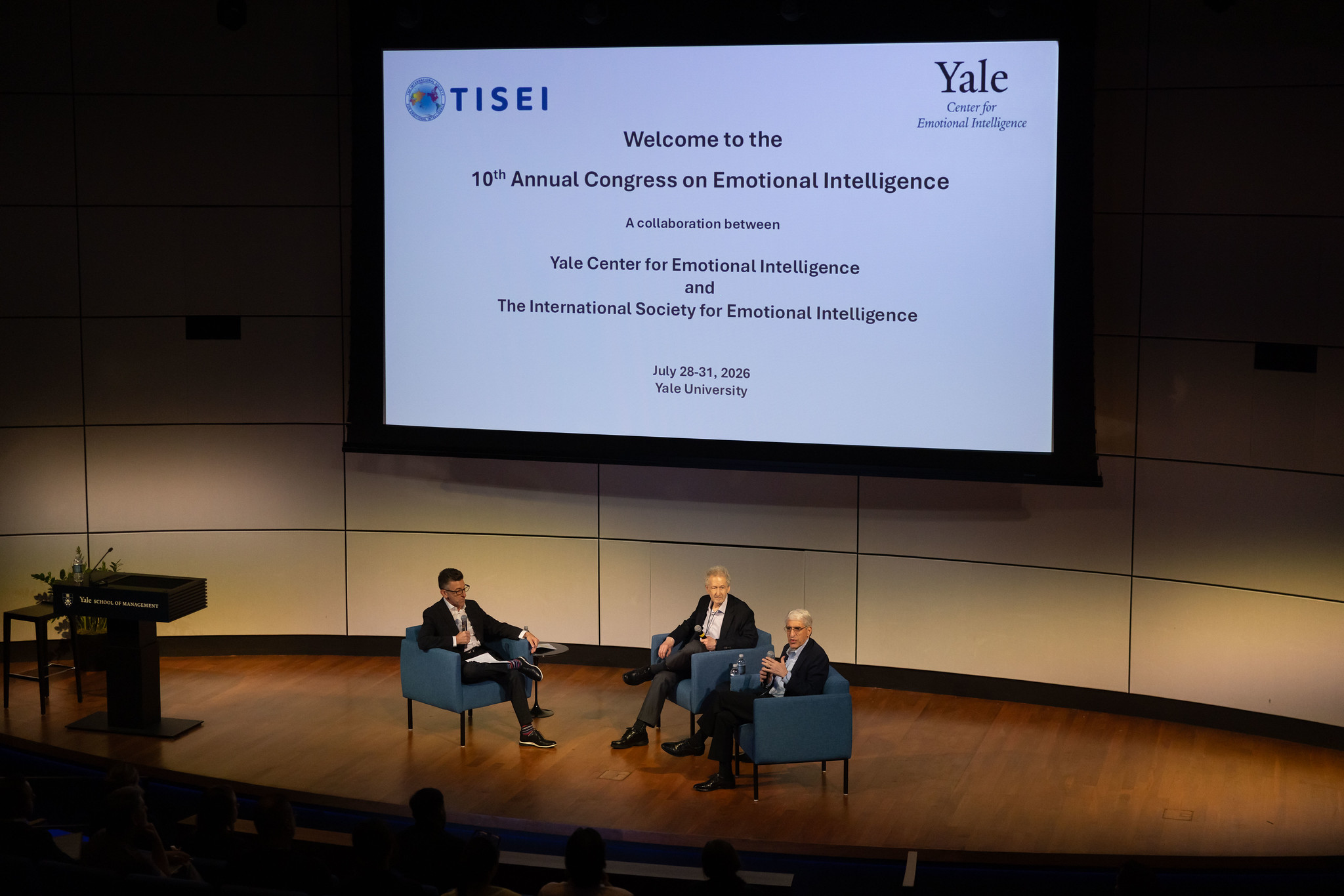
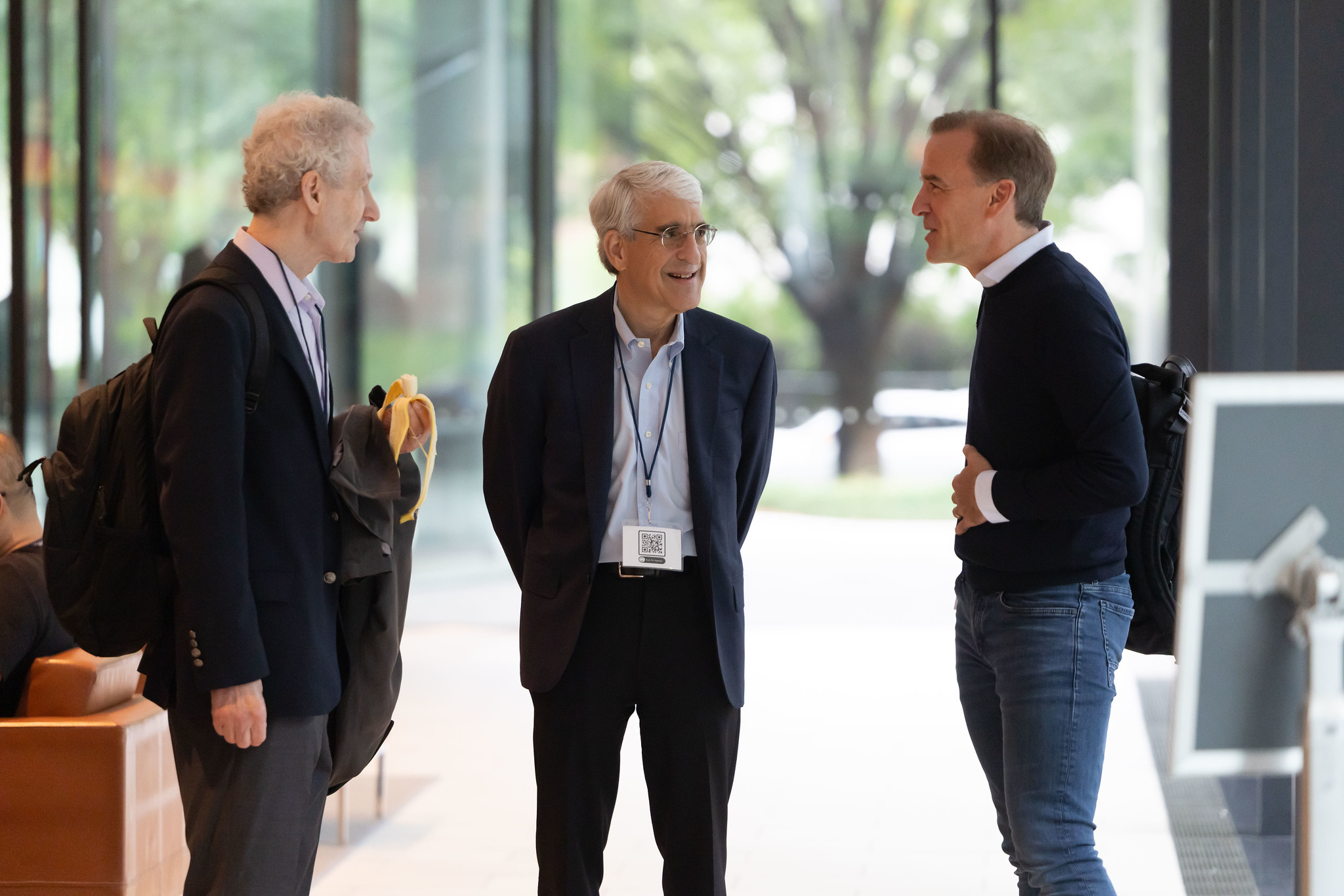


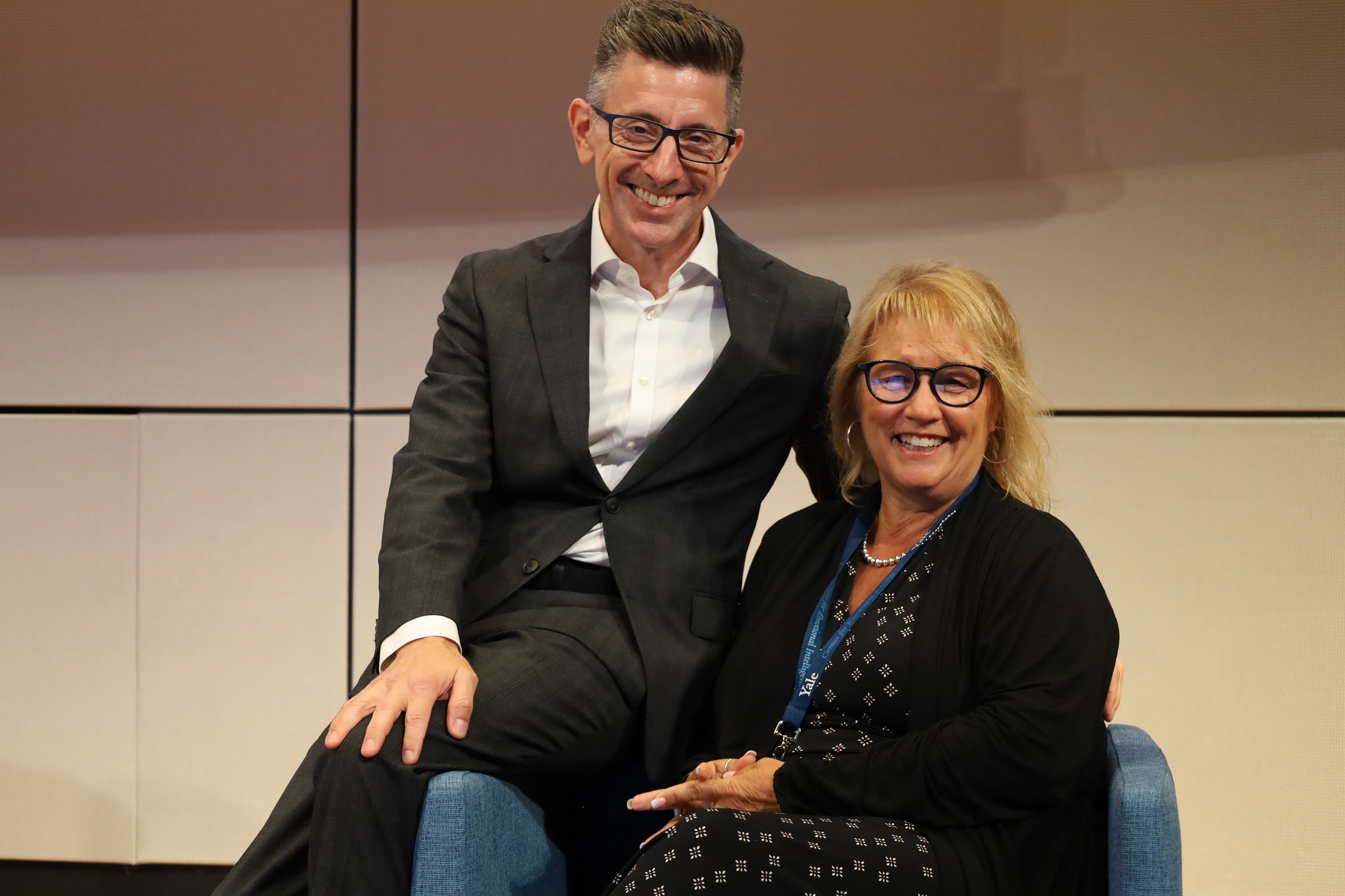
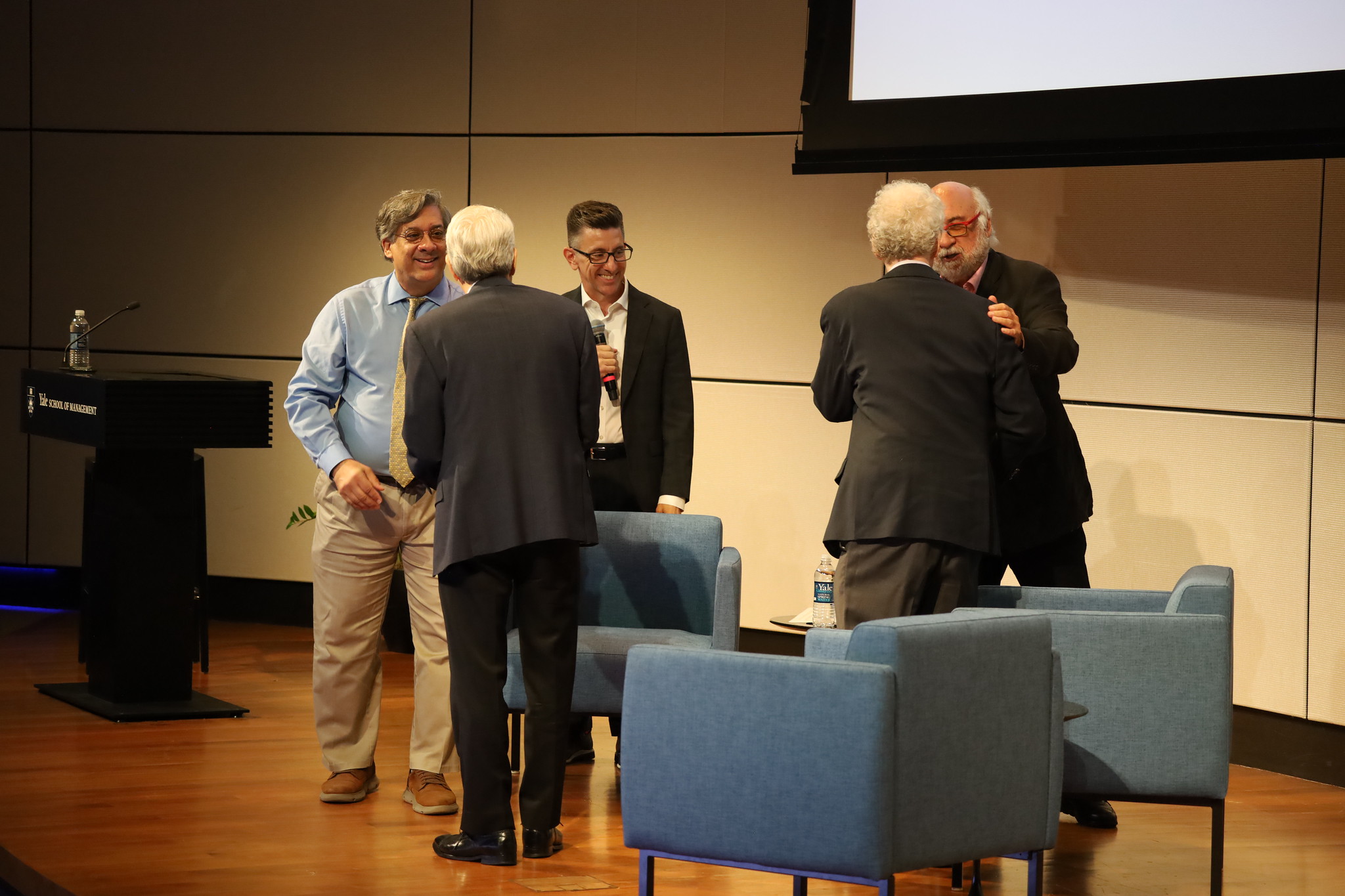
The 10th Biennial Congress of TISEI (The International Society for Emotional Intelligence) was a great success. Held at Yale University in New Haven, Connecticut, the Congress brought together a diverse international community of academics, educators, researchers, professional practitioners and some of the true pioneers of the emotional intelligence field.
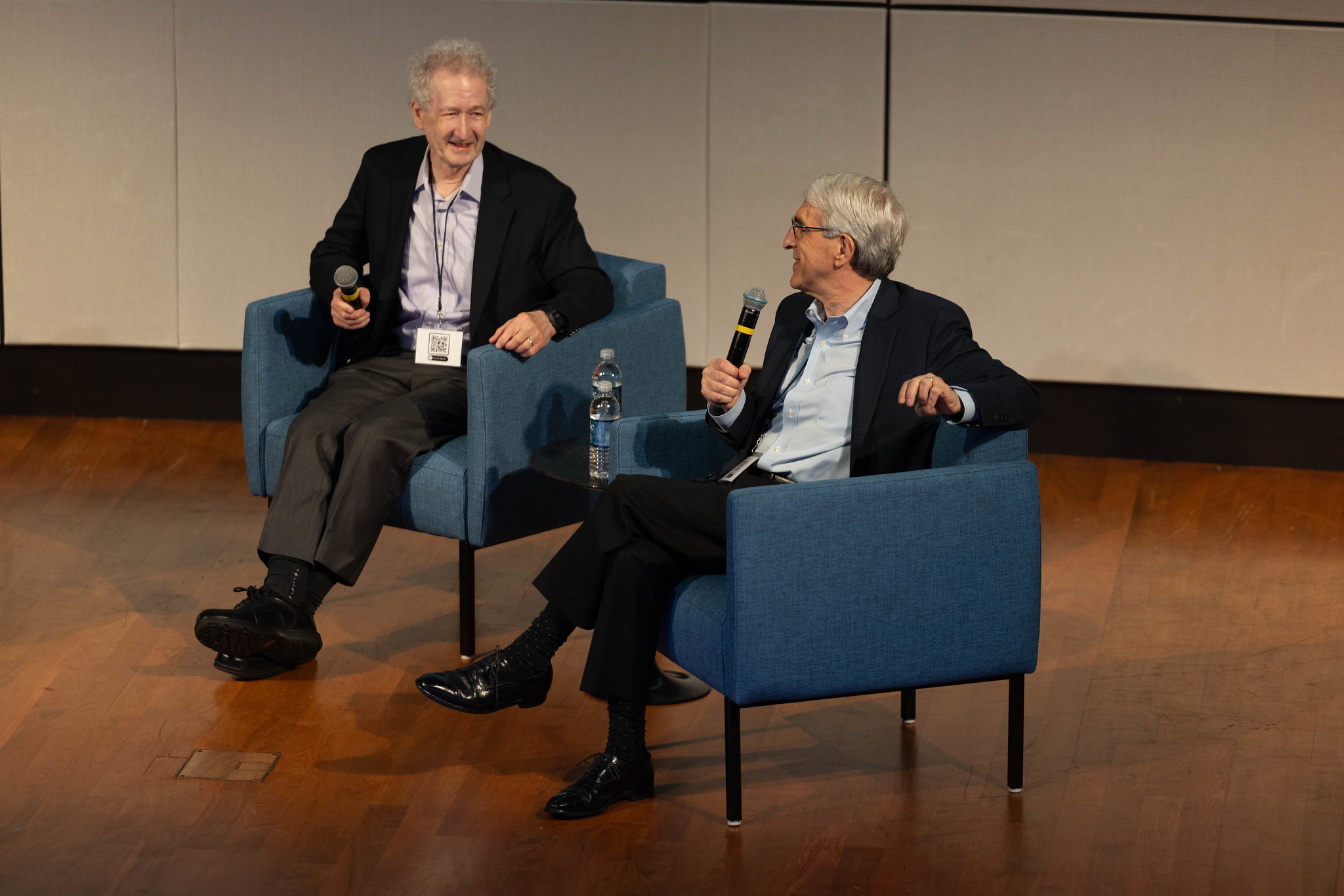
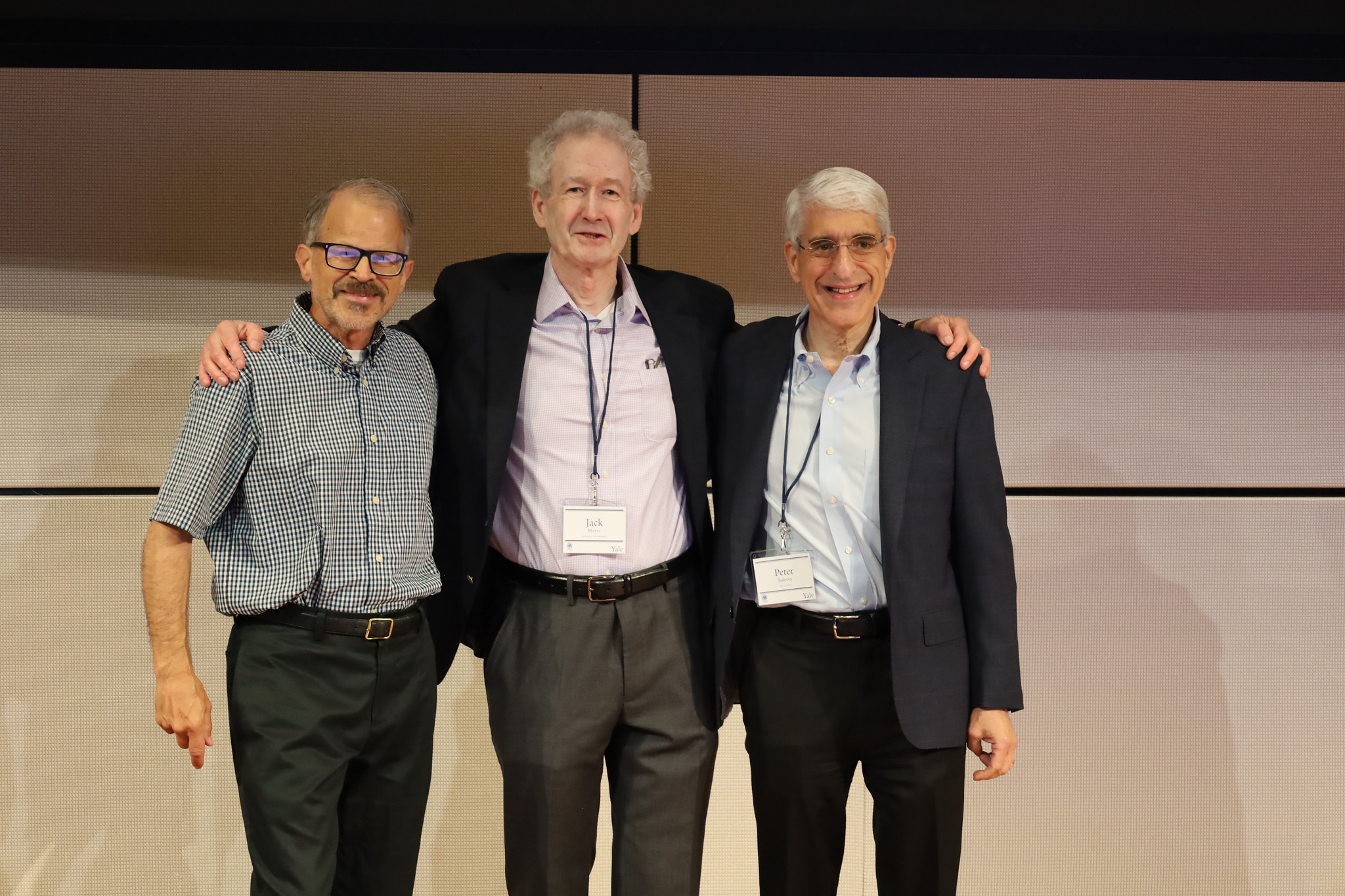
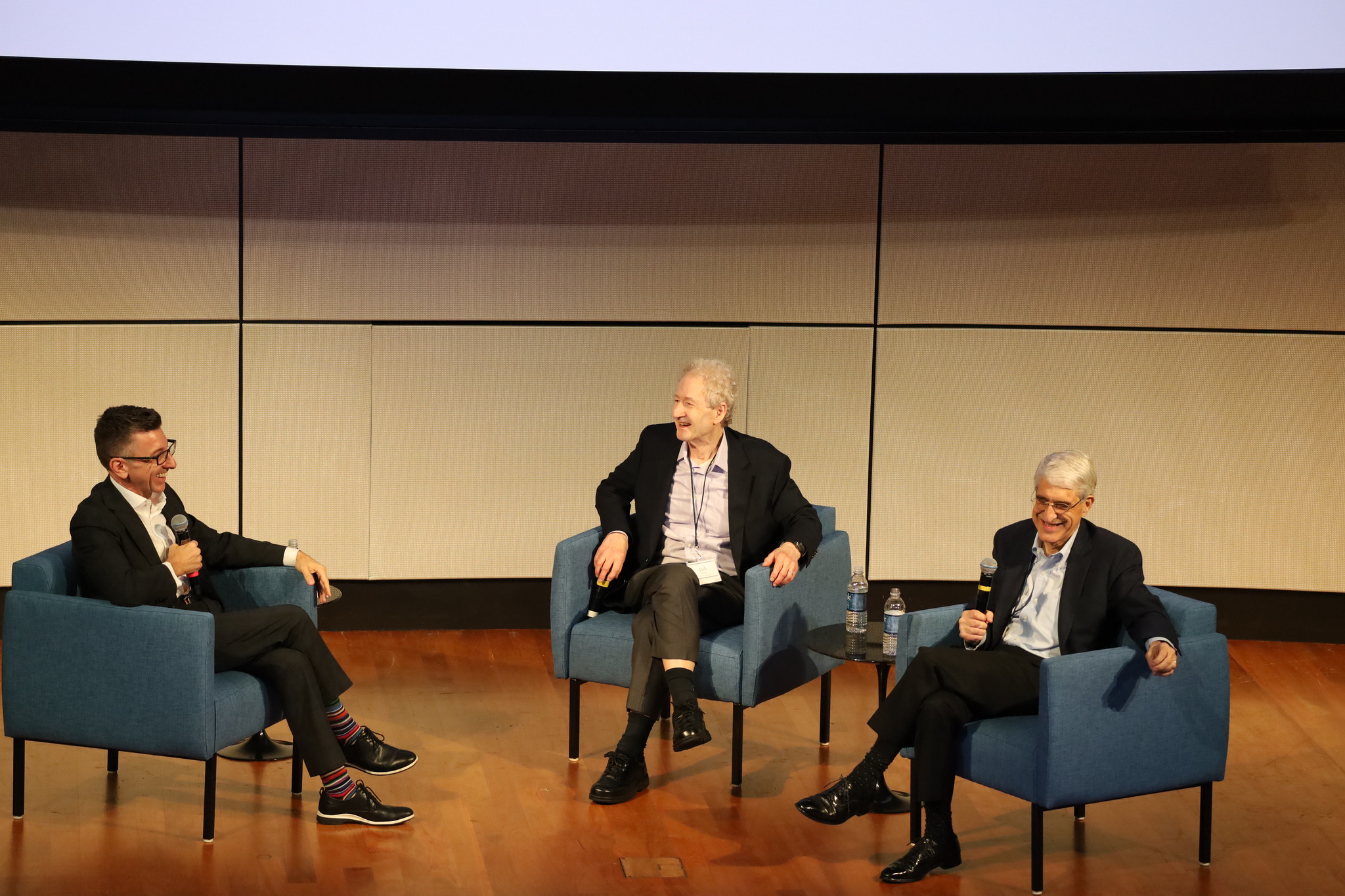
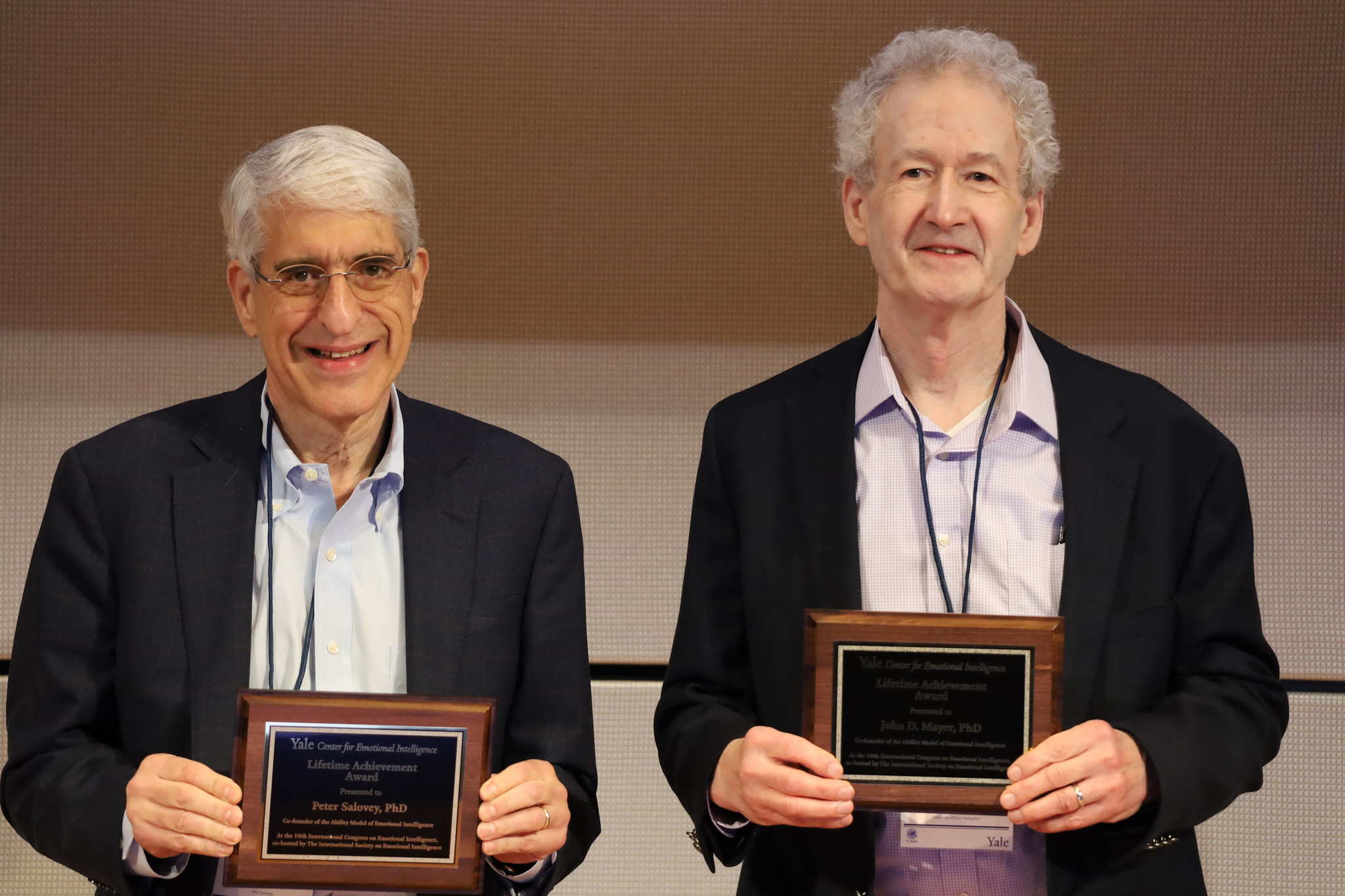
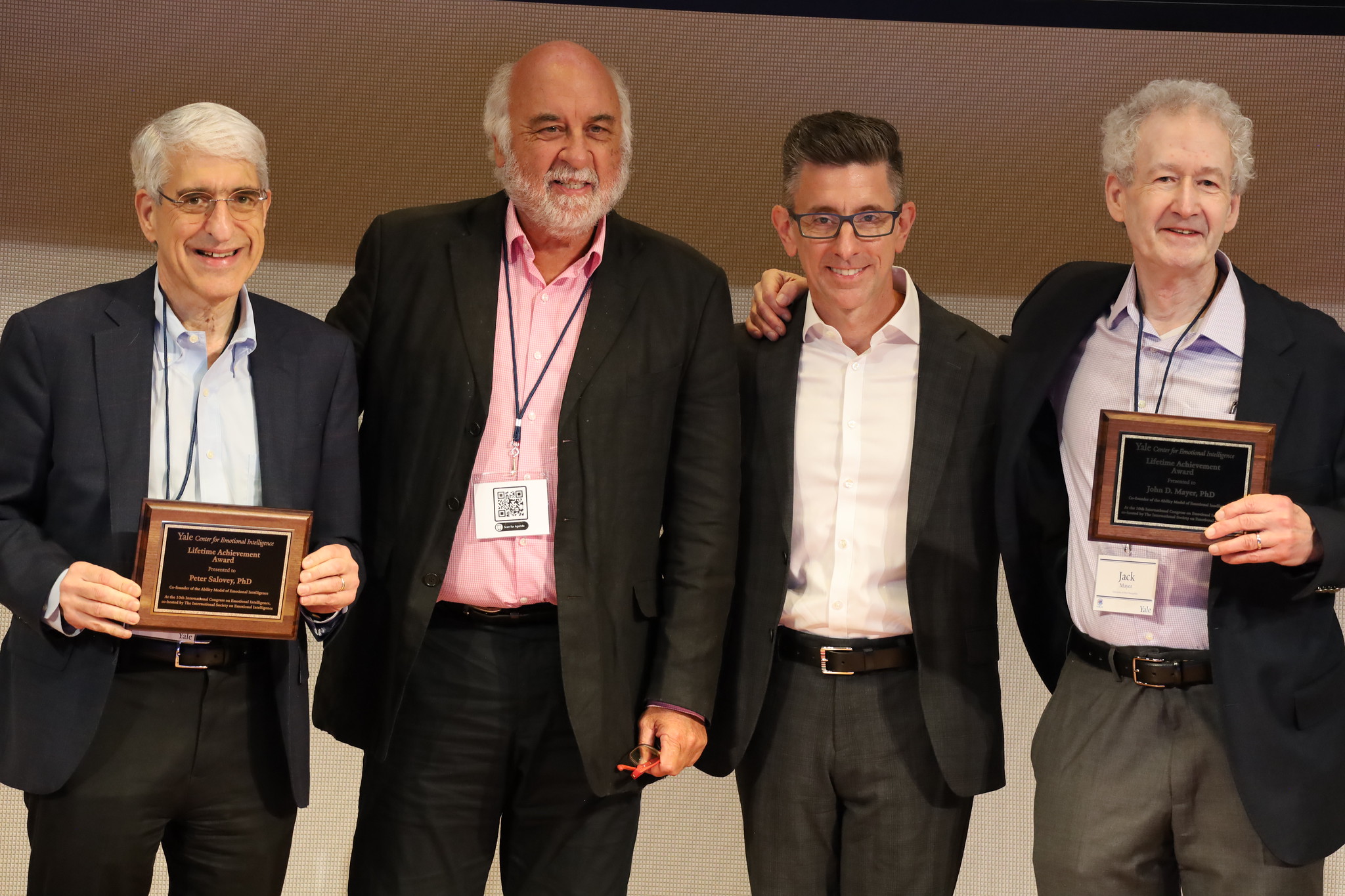
The result was a vibrant, intensive and welcoming gathering that celebrated the history of emotional intelligence while looking firmly toward its future. A particular highlight was the celebration of 35 years since Peter Salovey and John (Jack) Mayer’s seminal work introduced emotional intelligence as a field of scientific study. Peter and Jack were recognised with special awards acknowledging their original and fundamental contributions to bringing emotional intelligence to the world stage.
The Yale Congress also marked an important milestone for TISEI itself — the Society’s 10th successive biennial international congress. To recognise those who have contributed to this journey, awards were presented to TISEI founders, original Board members and valued Board members.
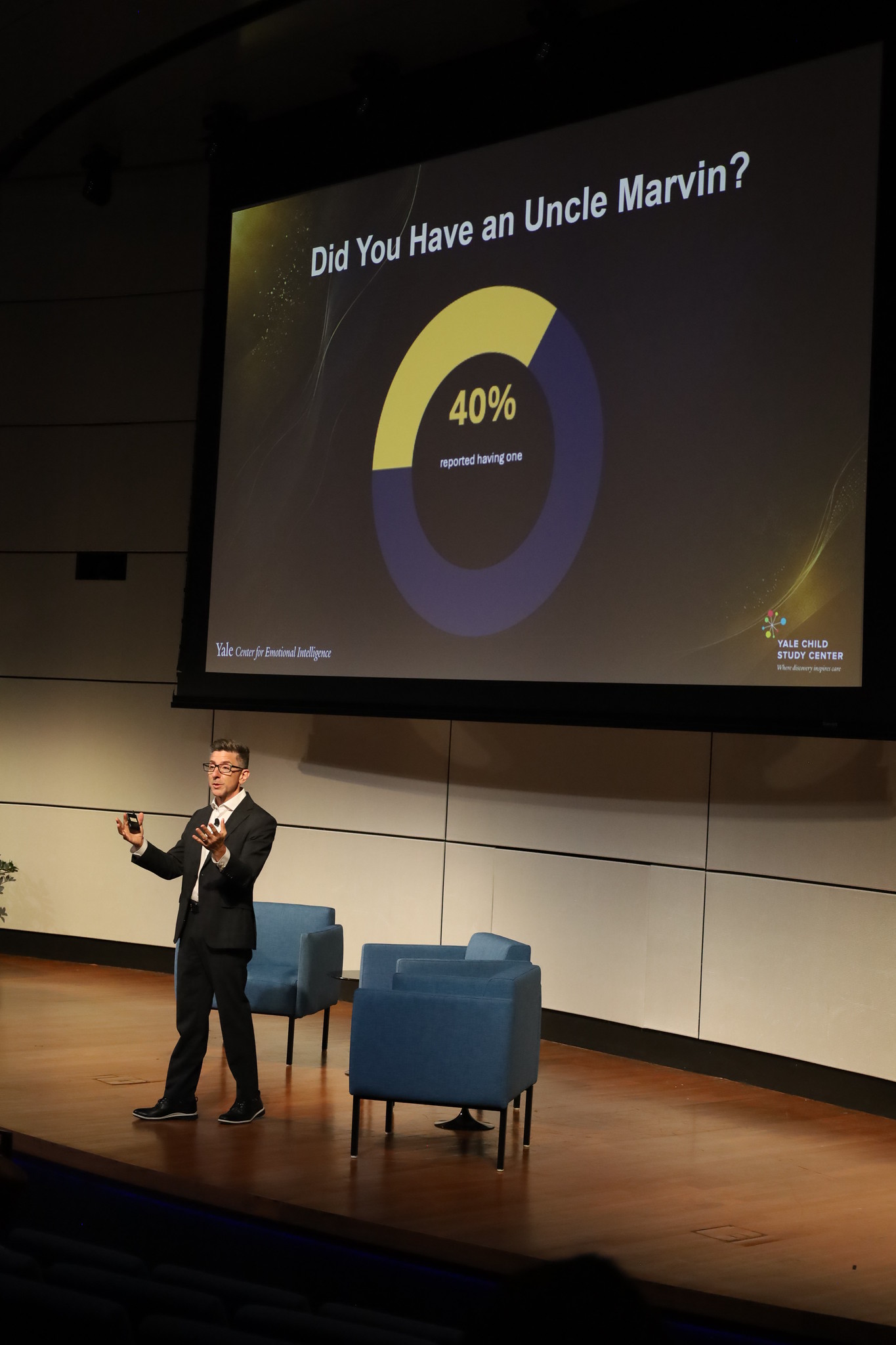
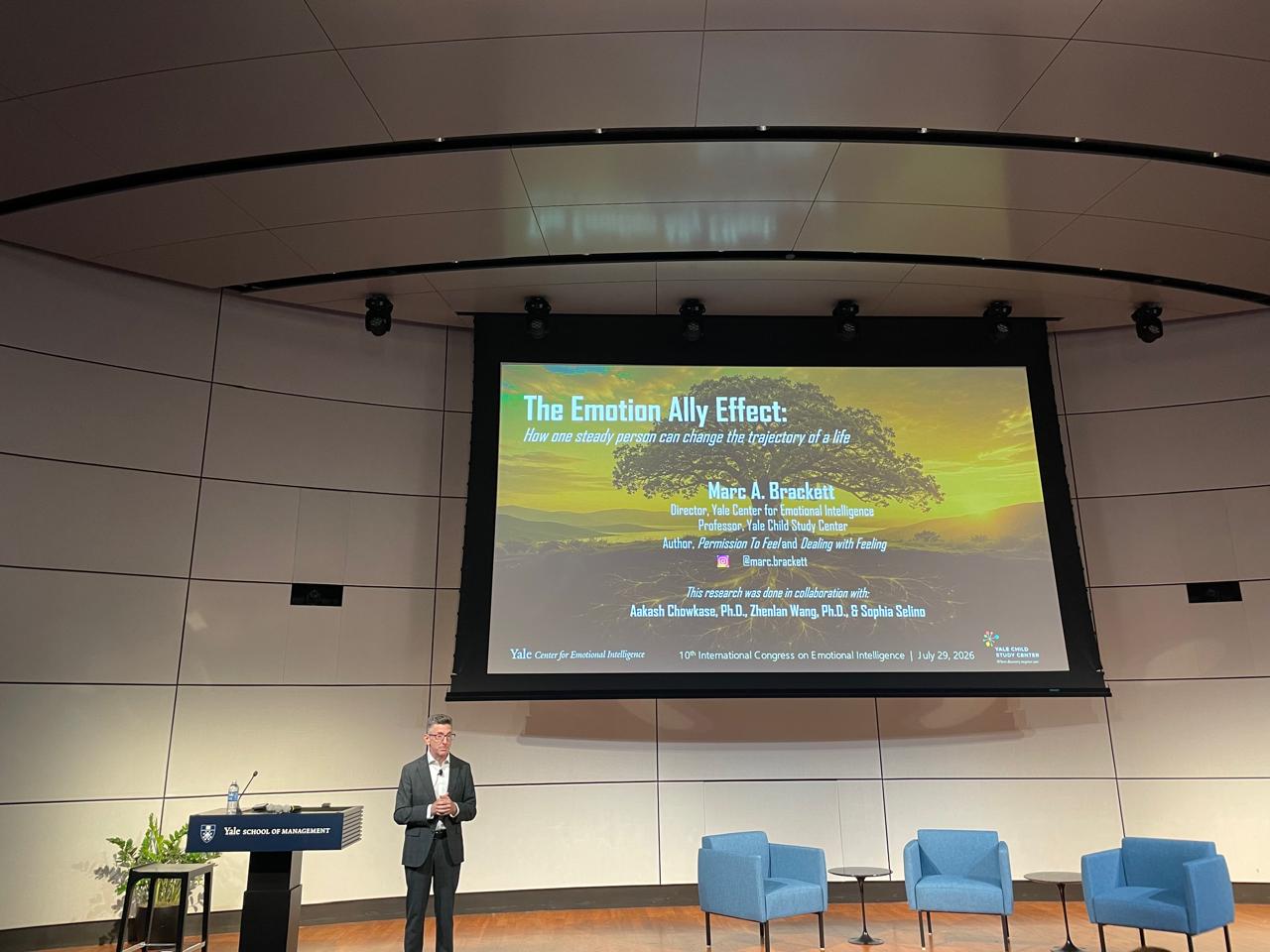
The Congress was hosted and convened by Marc Brackett, Director of the Yale Center for Emotional Intelligence, and explored an impressive range of contemporary EI themes. These included social and emotional learning, the workplace, creativity, assessment, well-being, AI and EI, executive coaching, leadership, peace, and many other emerging areas.
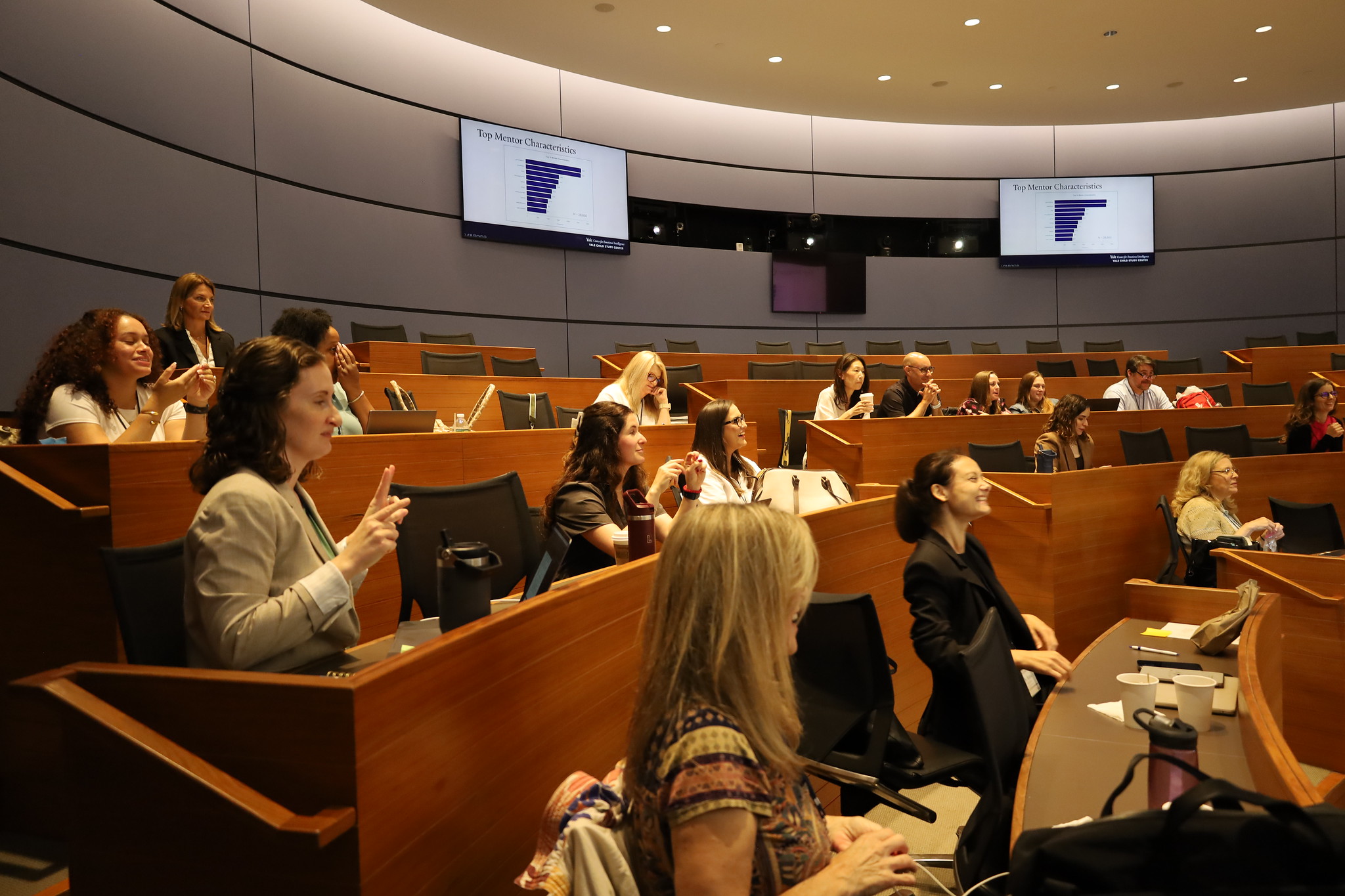
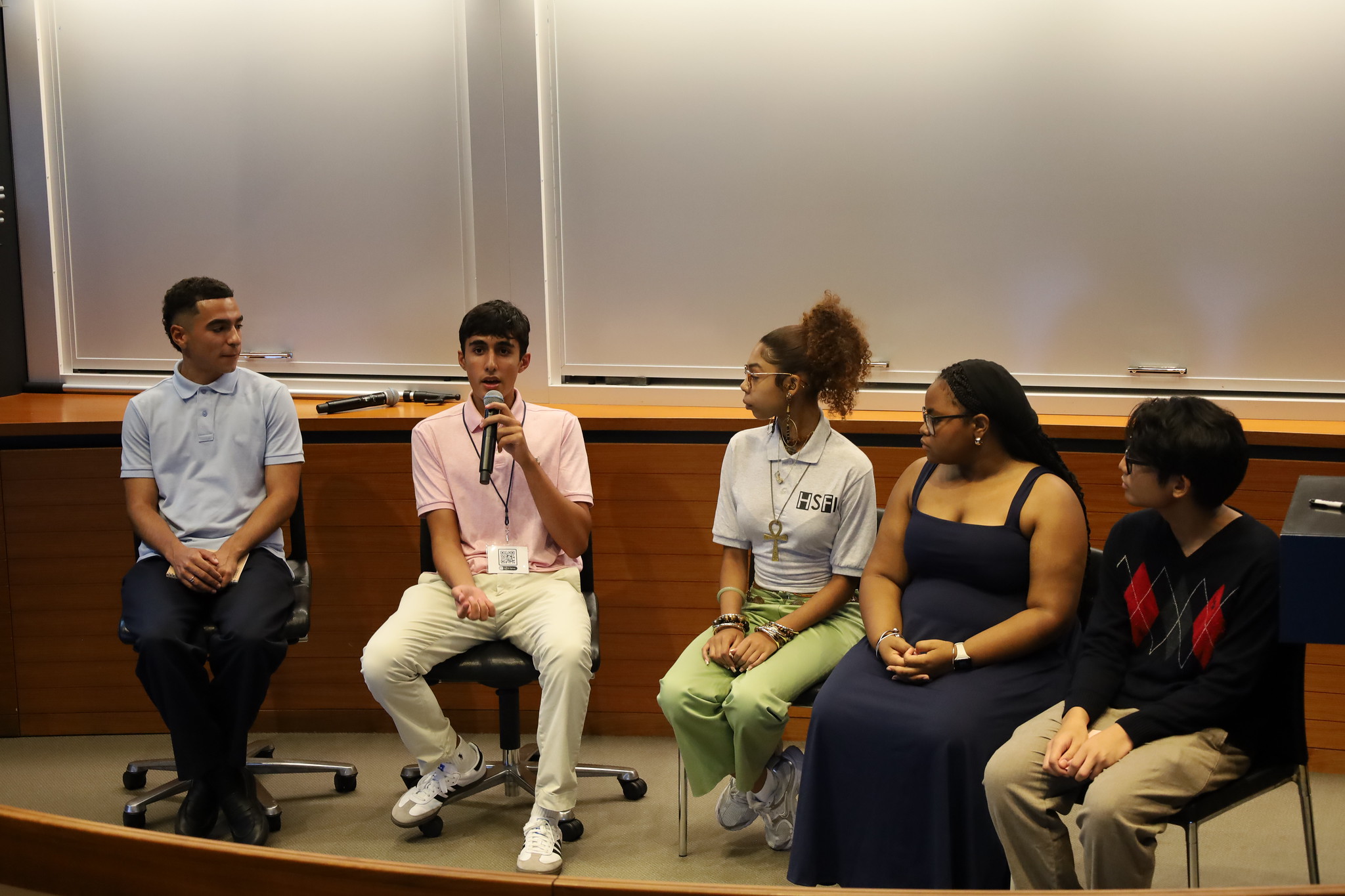
Through keynote presentations, panels, posters, workshops and small-group discussions, more than 140 participants representing 25 countries contributed to a highly interactive international exchange of ideas.
Perhaps most notable was the willingness of participants to share the history of the field while engaging openly with its present challenges and future possibilities. A particularly important theme was the rapidly emerging relationship between Artificial
Intelligence and Emotional Intelligence — and the opportunities, dilemmas and questions this relationship raises.
There were, appropriately, no simple answers. Instead, important questions were raised that stimulated critical discussion about where EI has come from, where it stands today, and where it may go next.
Four key messages emerged:
1. EI has evolved significantly over 35 years and is entering a new era across diverse disciplines and contexts.
2. EI increasingly connects research, theory and practice, including in areas not imagined when the field began.
3. AI offers new opportunities for EI — and EI can help inform the human development and use of AI.
4. EI is alive, relevant and evolving, with a bright but challenging future in a rapidly changing world.
The 10th TISEI Congress was therefore not simply a celebration of 35 years of Emotional Intelligence. It was also an opportunity to acknowledge those who created and developed the field, connect an international community, and begin thinking together about the next chapter of EI.
Dr. Chris Skinner
TISEI President
Recent Post
The 10th Biennial Congress of TISEI (The International Society [...]